
Journal of Systems Engineering and Electronics ›› 2026, Vol. 37 ›› Issue (1): 157-170.doi: 10.23919/JSEE.2026.000001
• DEFENCE ELECTRONICS TECHNOLOGY • Previous Articles Next Articles
Bo WANG( ), Yu ZHAO(), Yonglin LI(), Rennong YANG, Junjie XUE()
Received:2024-10-29
Accepted:2025-06-06
Online:2026-02-18
Published:2026-03-09
Contact:
Yu ZHAO
E-mail:wangbo_wb1991@163.com;zhaoyu106@163.com;liyonglin1@126.com;xuejunjiepaper@163.com
About author:Supported by:Bo WANG, Yu ZHAO, Yonglin LI, Rennong YANG, Junjie XUE. Optimization of the frequency offset increment of FDA-MIMO based on cuckoo search algorithm[J]. Journal of Systems Engineering and Electronics, 2026, 37(1): 157-170.
Add to citation manager EndNote|Reference Manager|ProCite|BibTeX|RefWorks
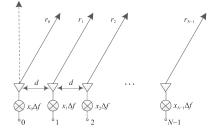
Fig 1
Schematic of a one-dimensional linear FDA radar"
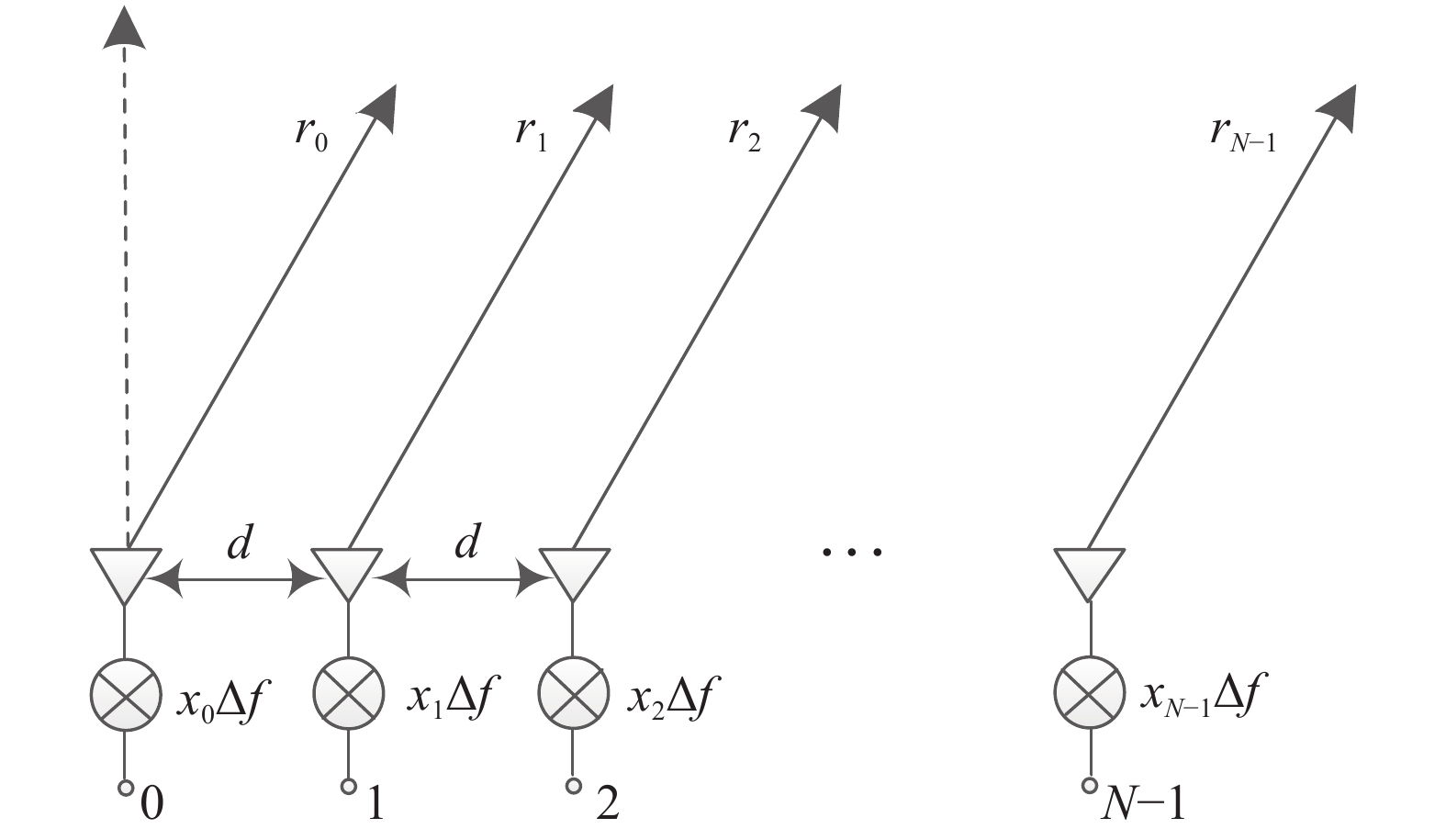
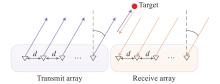
Fig 2
FDA-MIMO radar system structure"
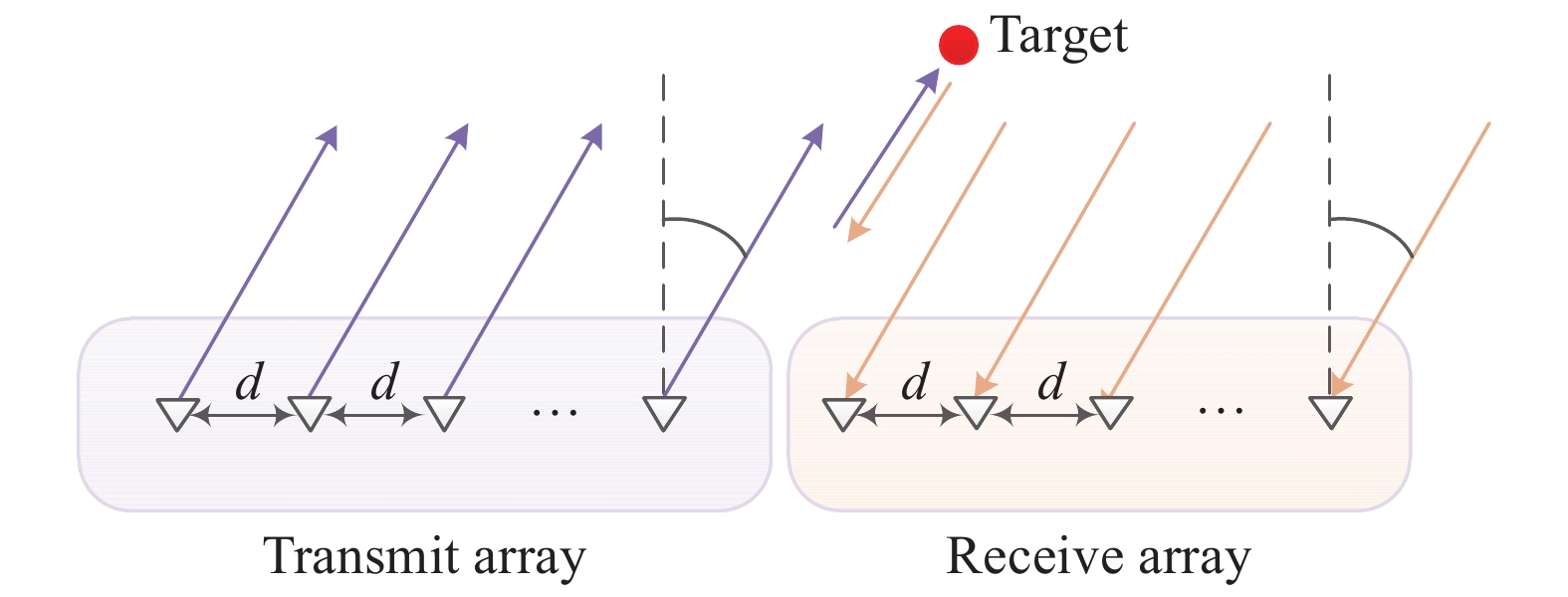
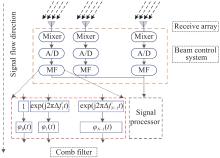
Fig 3
Matched filter structure of FDA-MIMO radar"
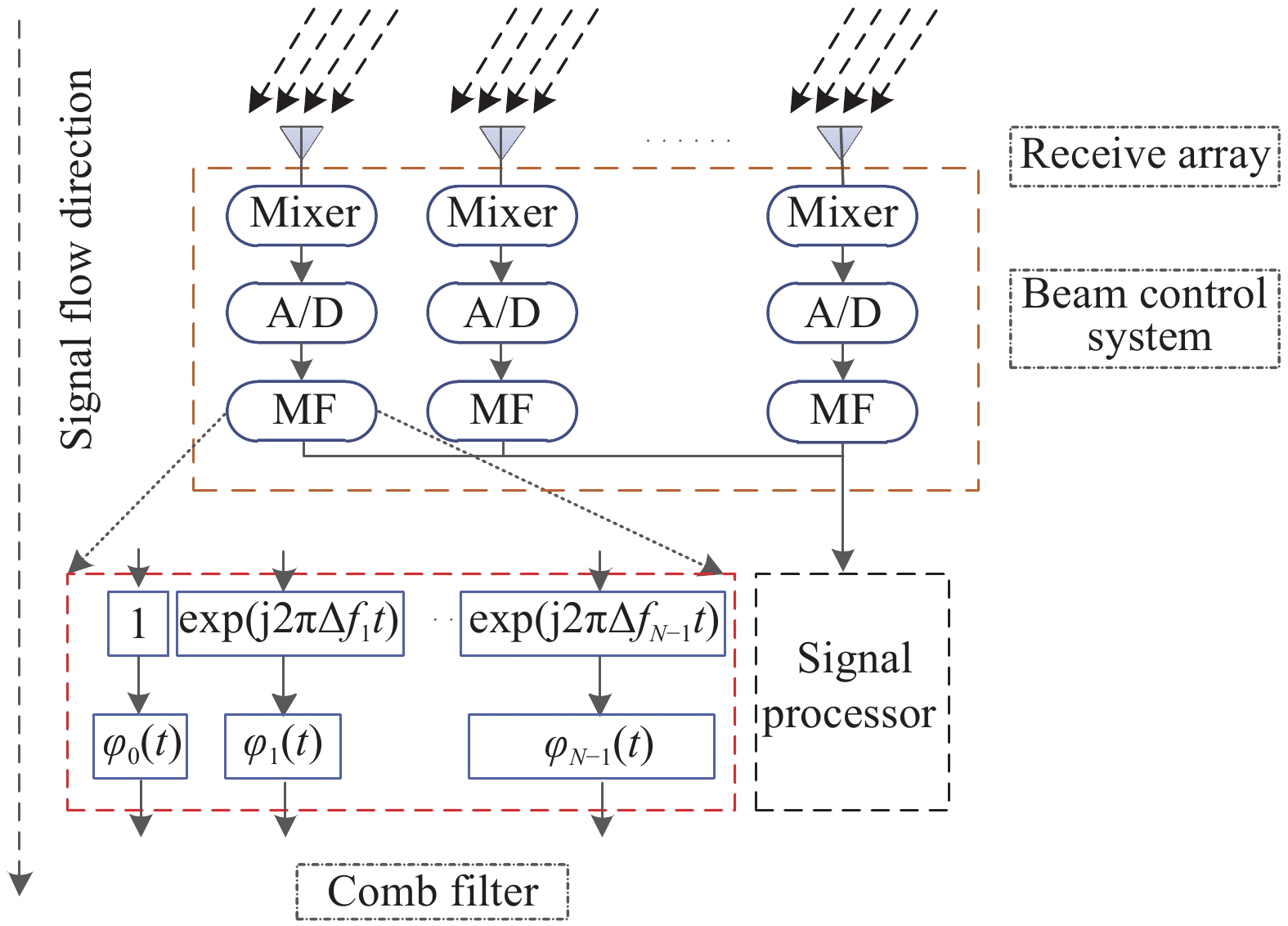
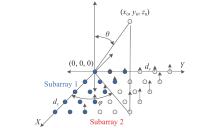
Fig 4
Configuration of the cross-subarray-based PFDA"
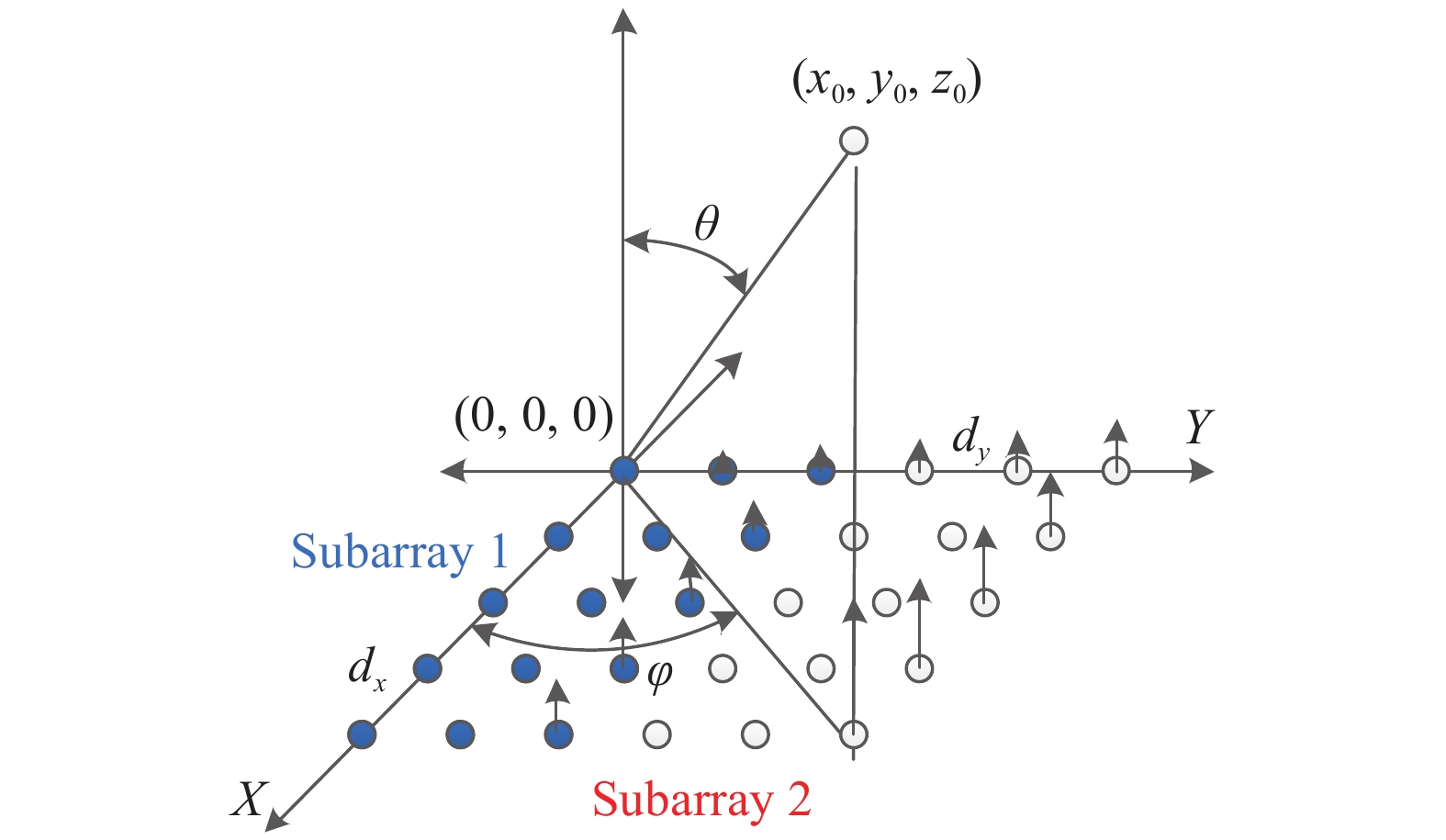
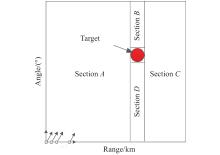
Fig 5
Division of the scanning spatial domain in the range-angle space"
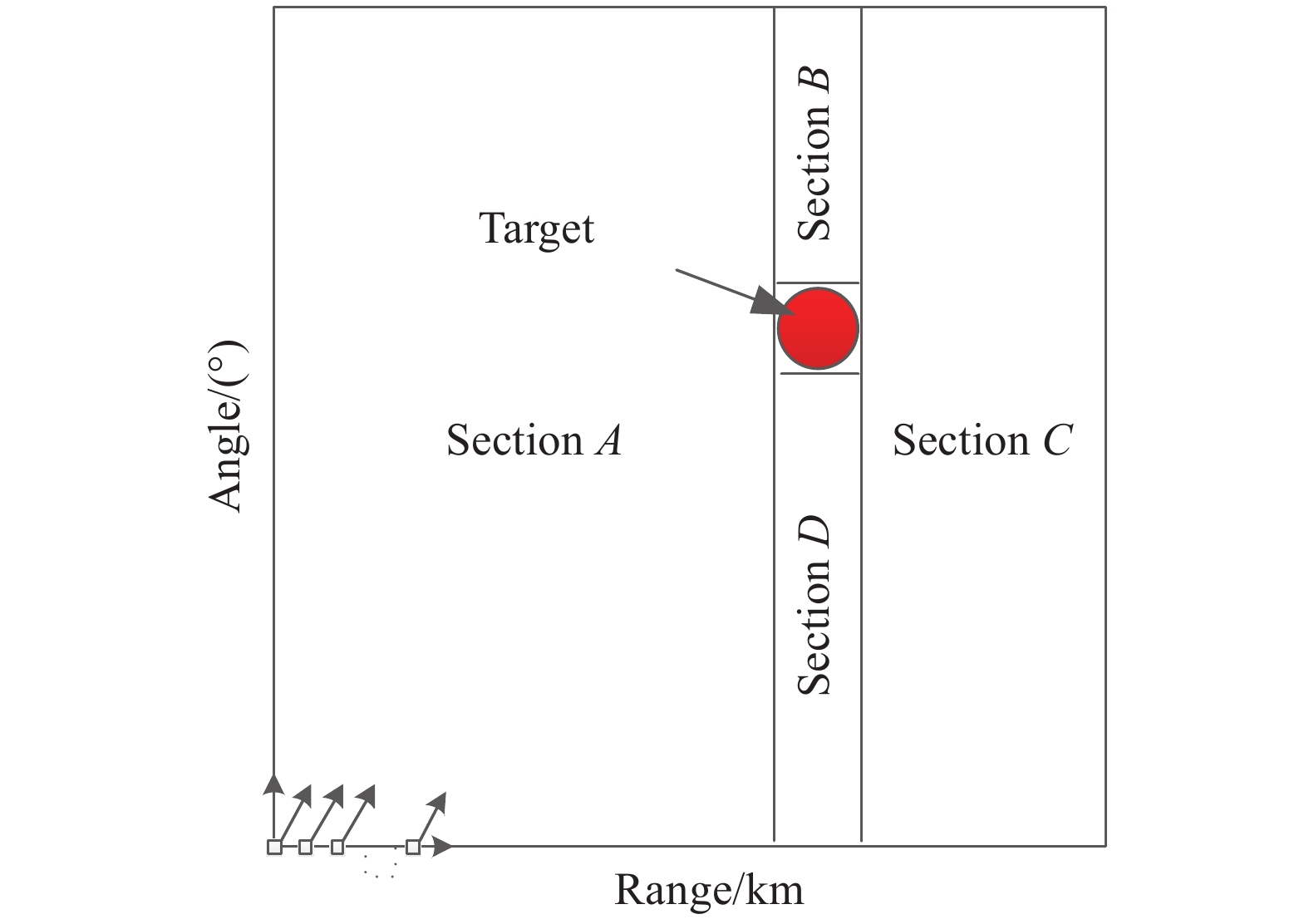
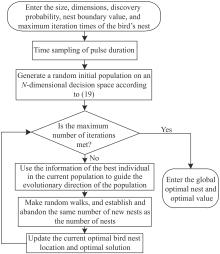
Fig 6
CS algorithm flowchart"
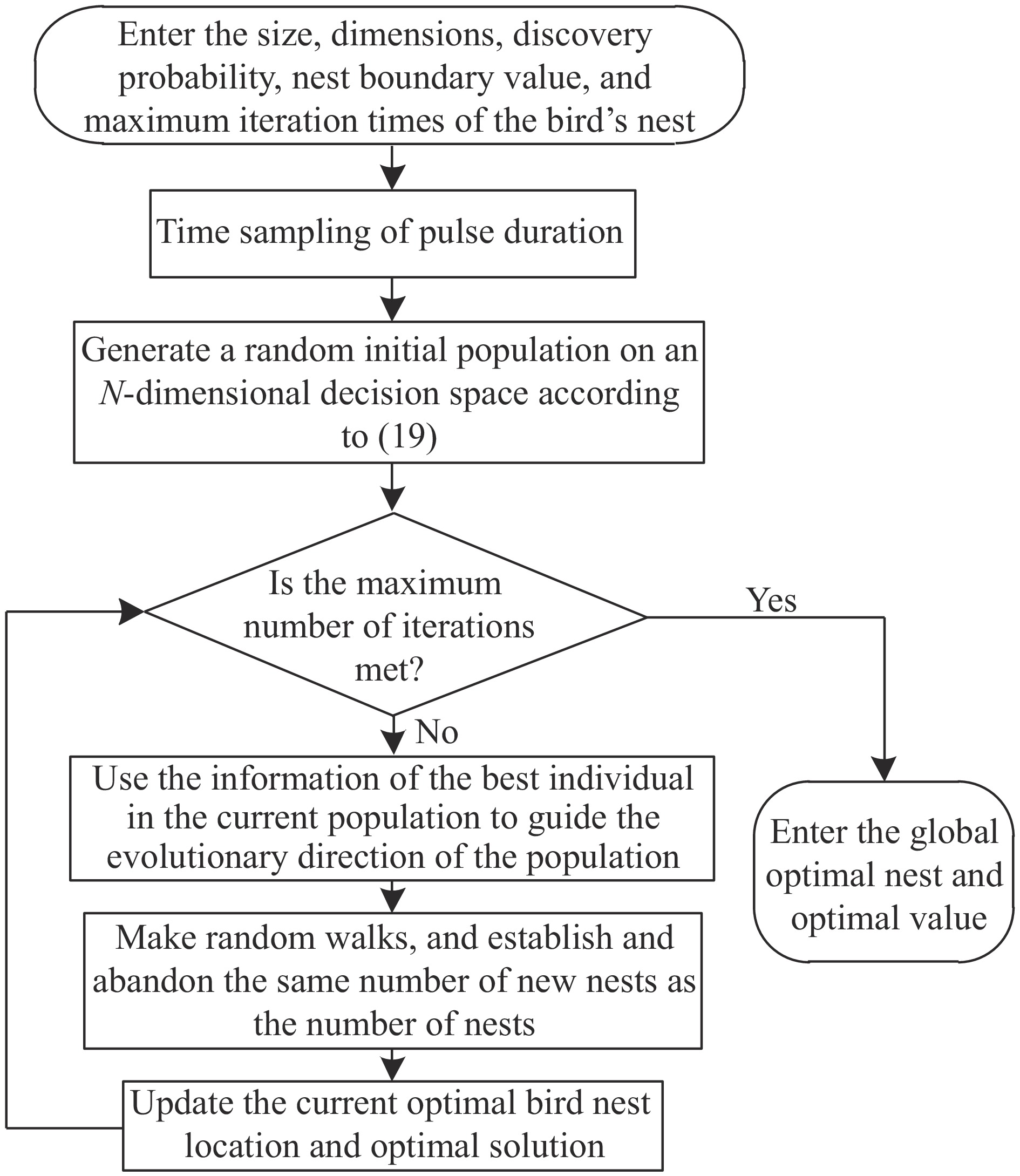
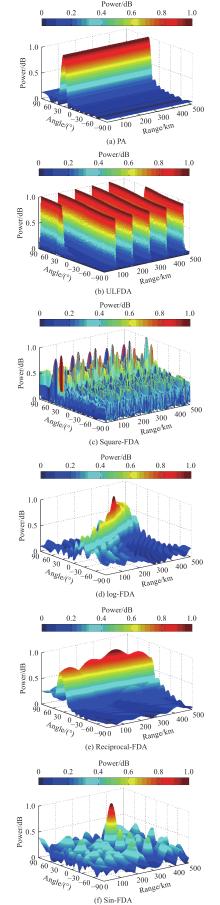
Fig 7
Beampatterns of the ULFDA using different frequency offset functions"

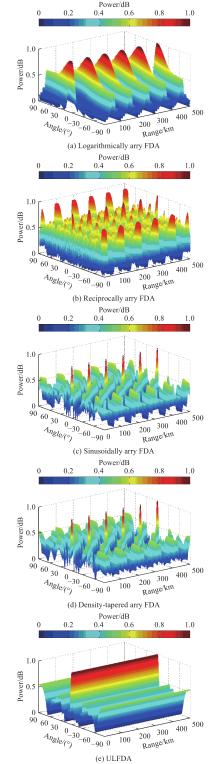
Fig 8
Beampatterns of FDA with different element arrangements"
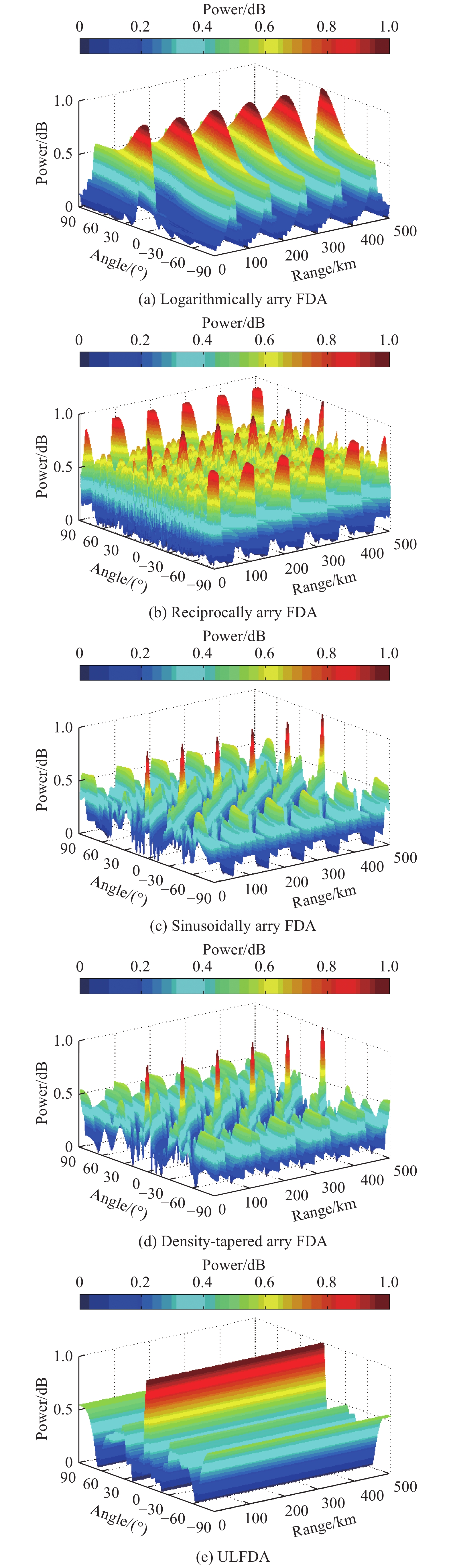
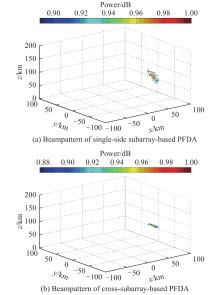
Fig 9
Beampattern of PFDA"
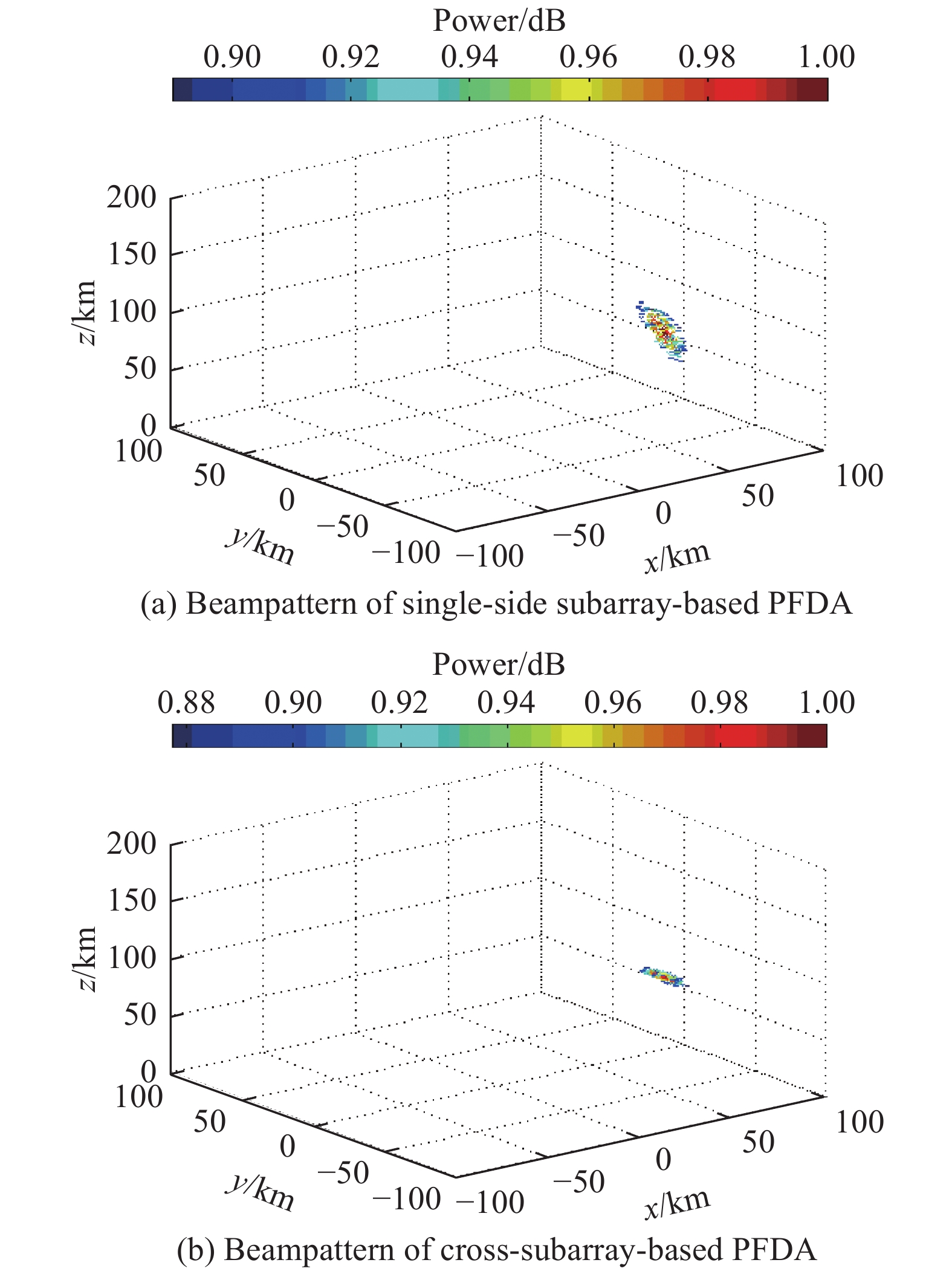
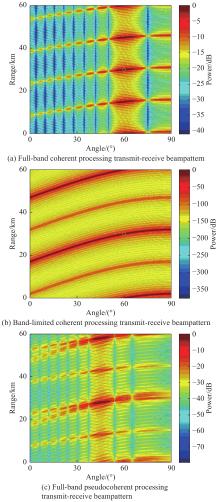
Fig 10
Transmit-receive beampatterns of three coberent processing mechanisms"

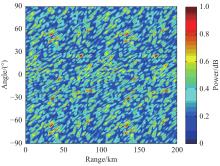
Fig 11
FDA-MIMO beampattern"
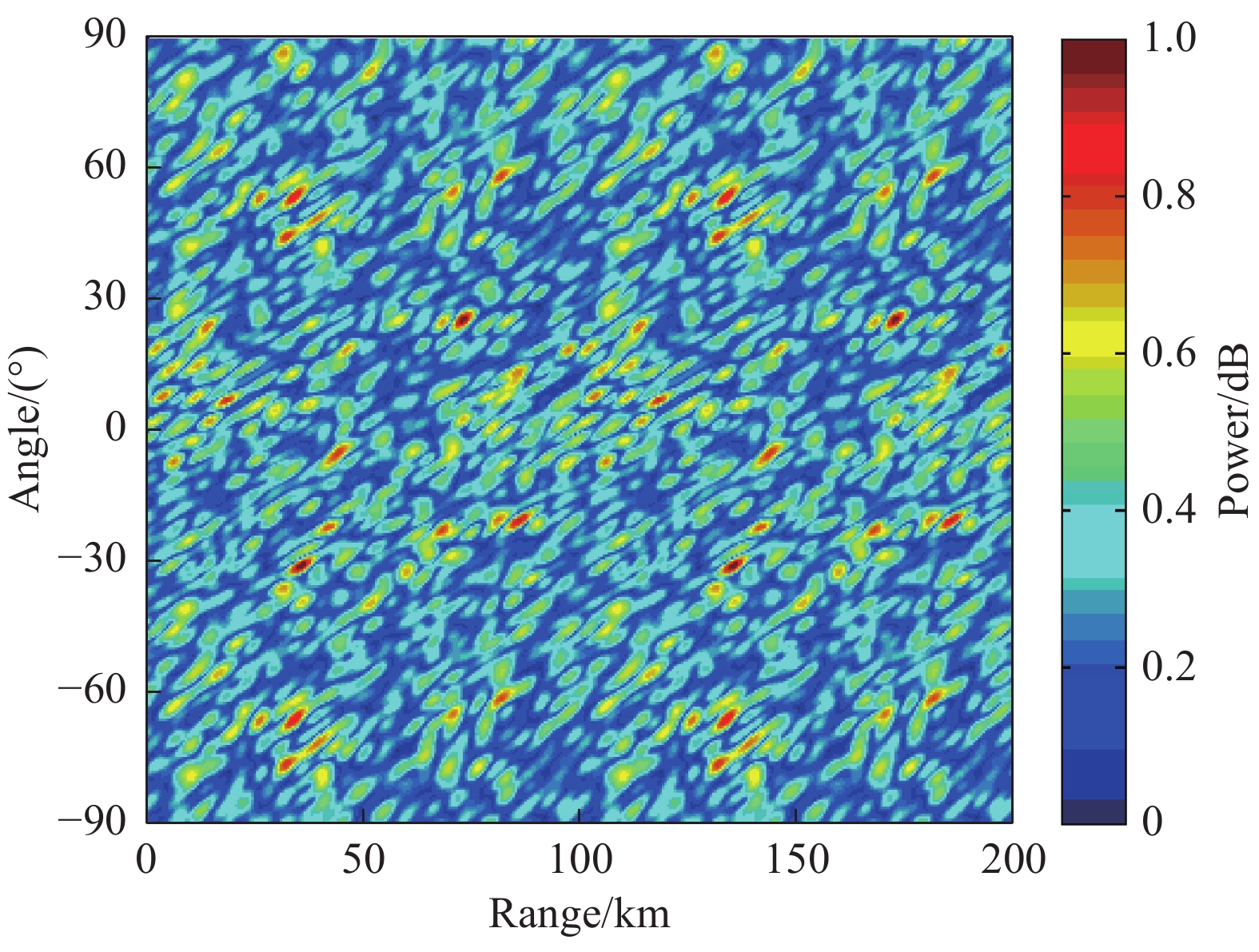
Fig 12
Log-FDA-MIMO beampattern"
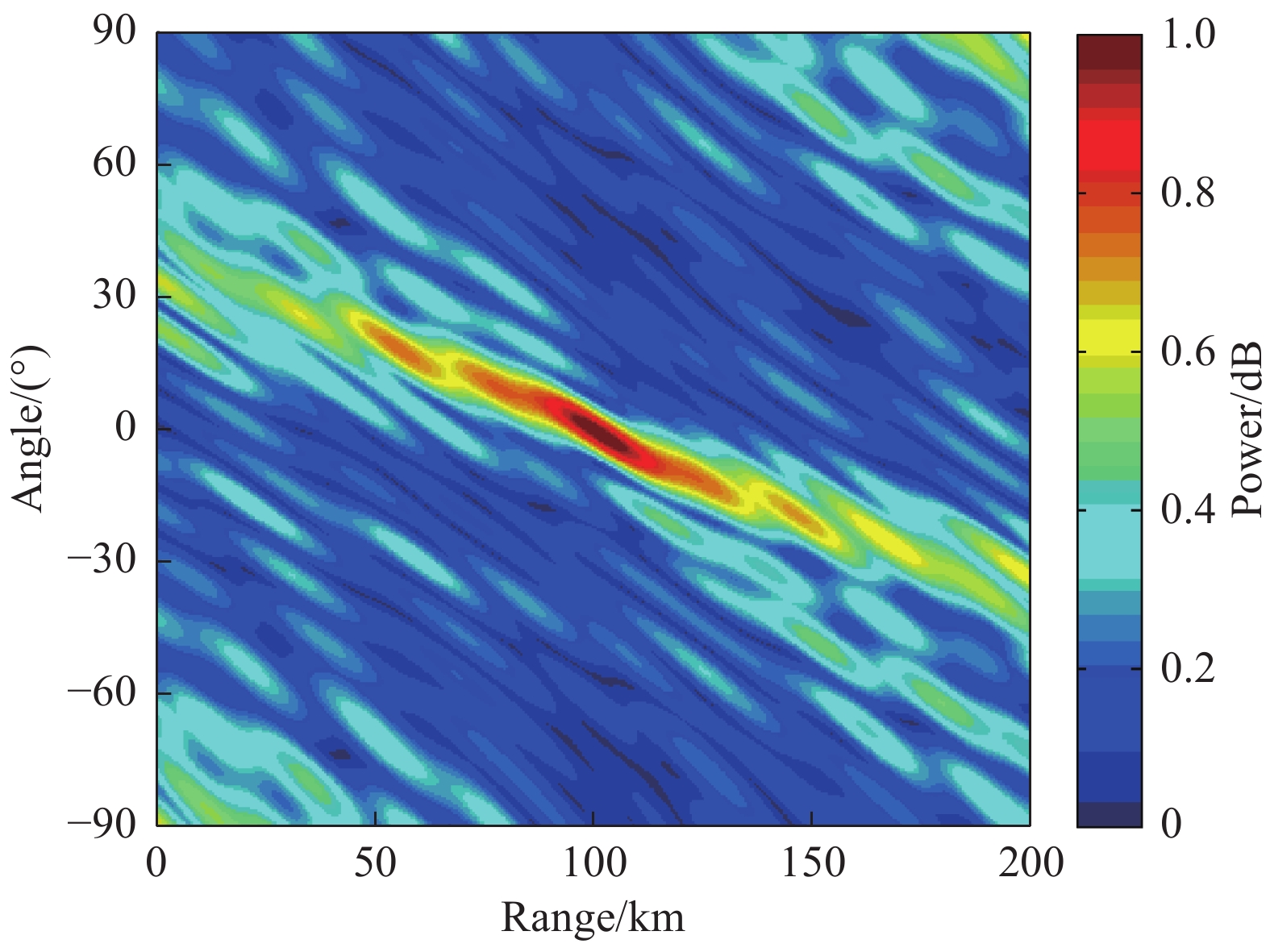
Fig 13
Sin-log symmetric subarray of FDA-MIMO beampattern"
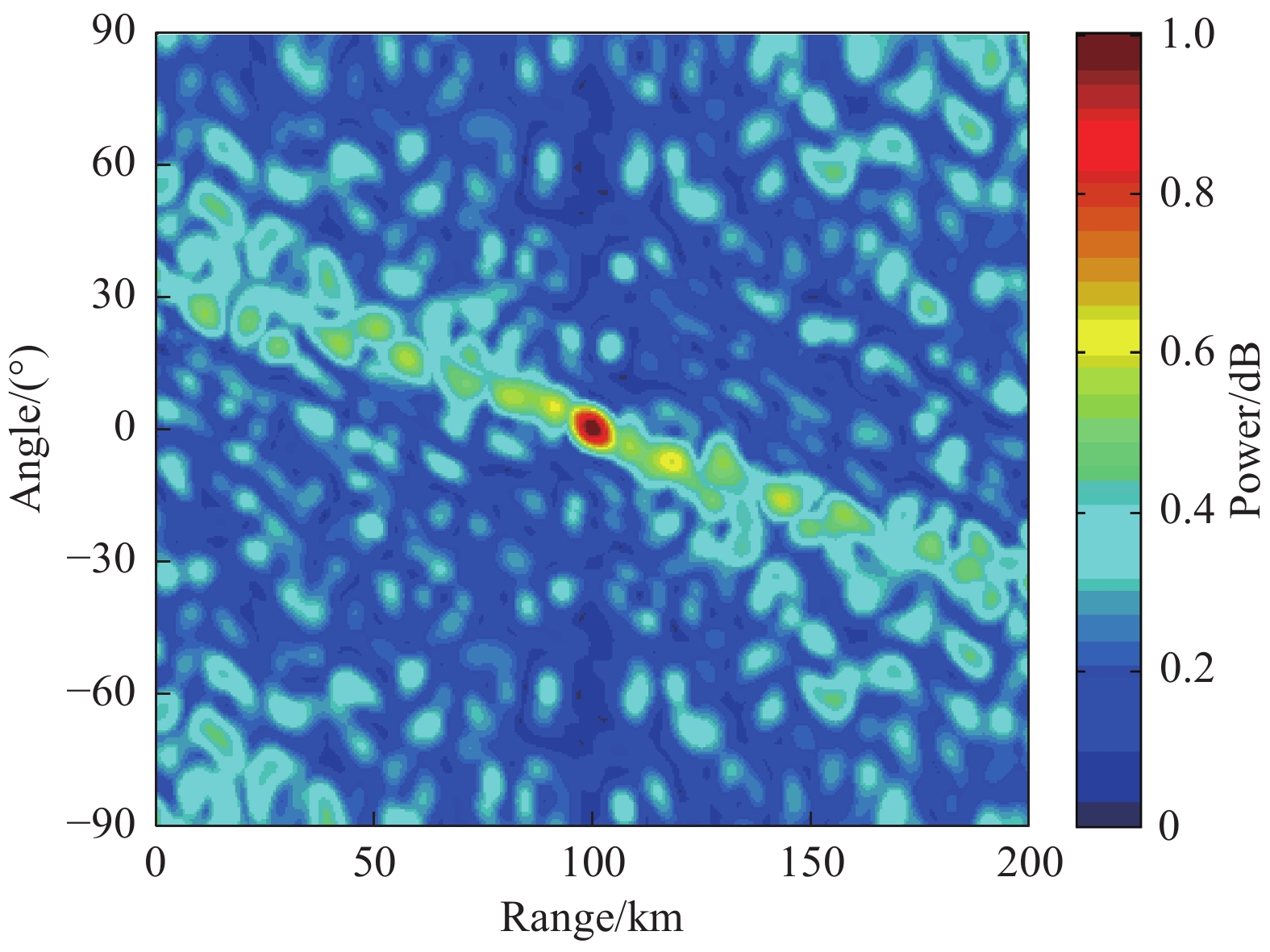
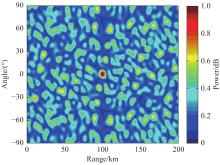
Fig 14
Sin-sin symmetric subarray of FDA-MIMO beampattern"
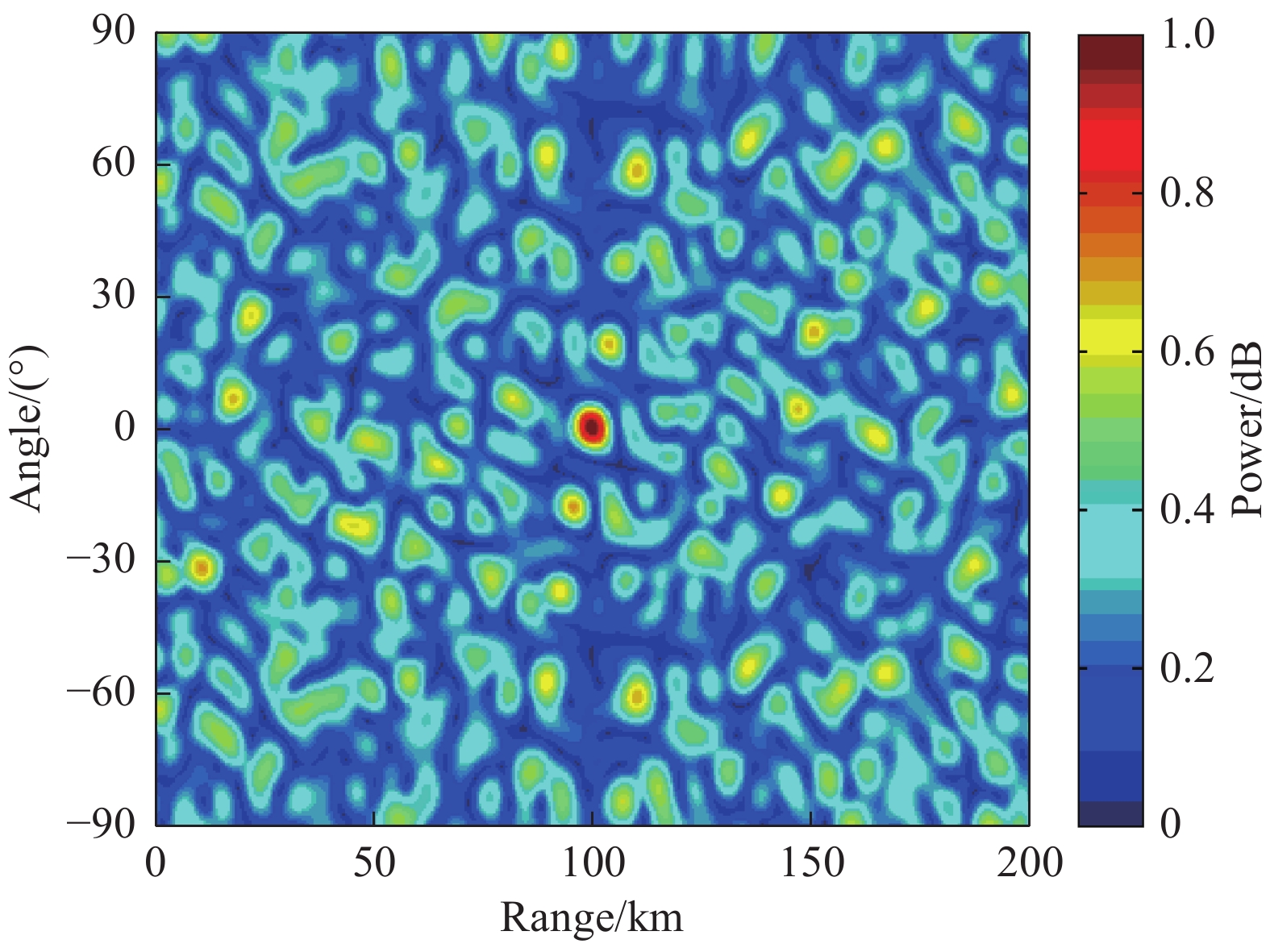
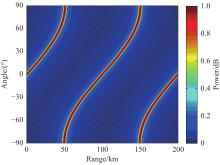
Fig 15
ULFDA transmit beampattern"
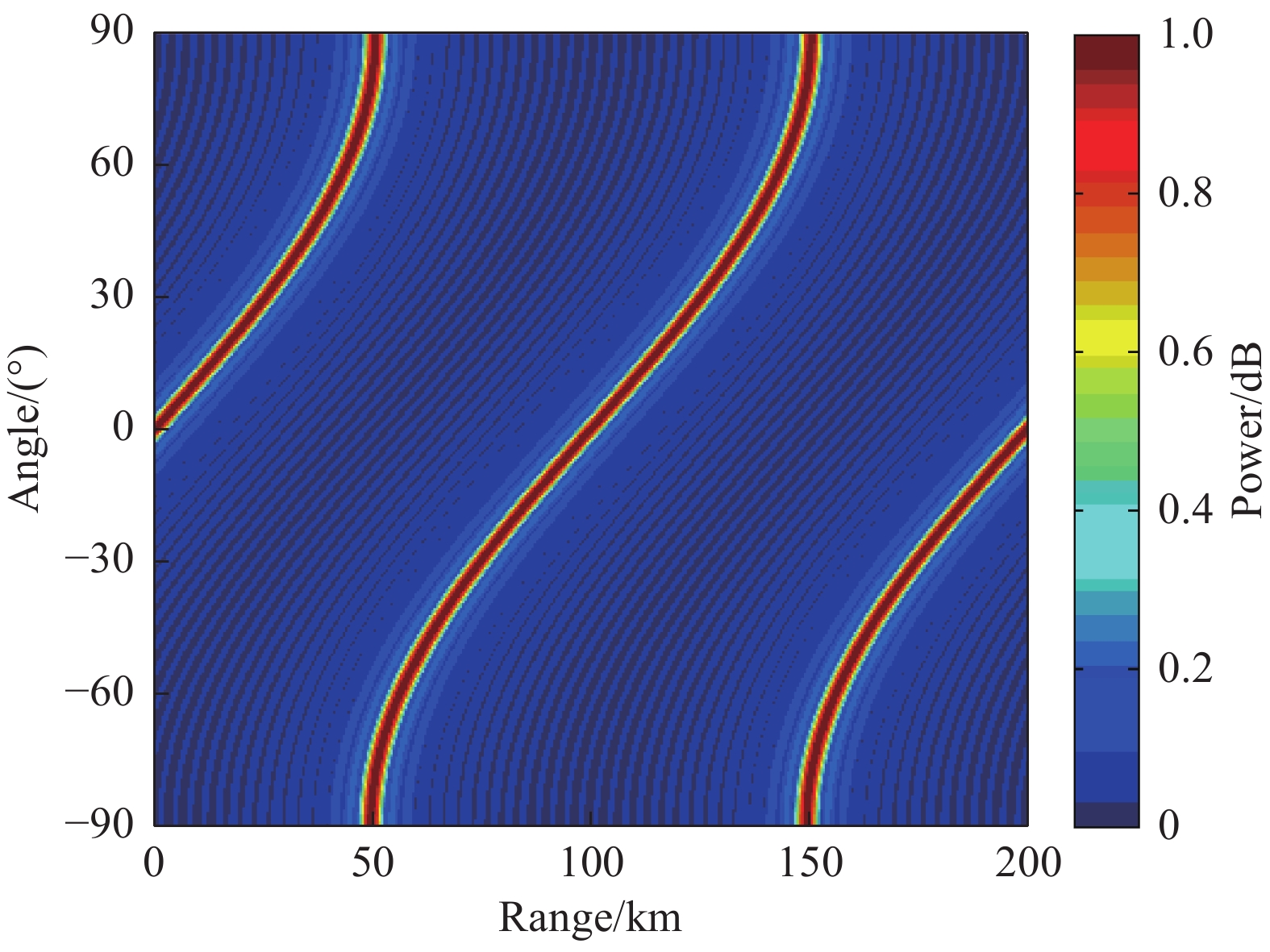
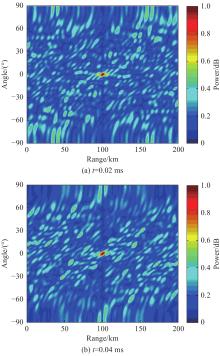
Fig 16
ULFDA transmit beampattern based on the CS algorithm"
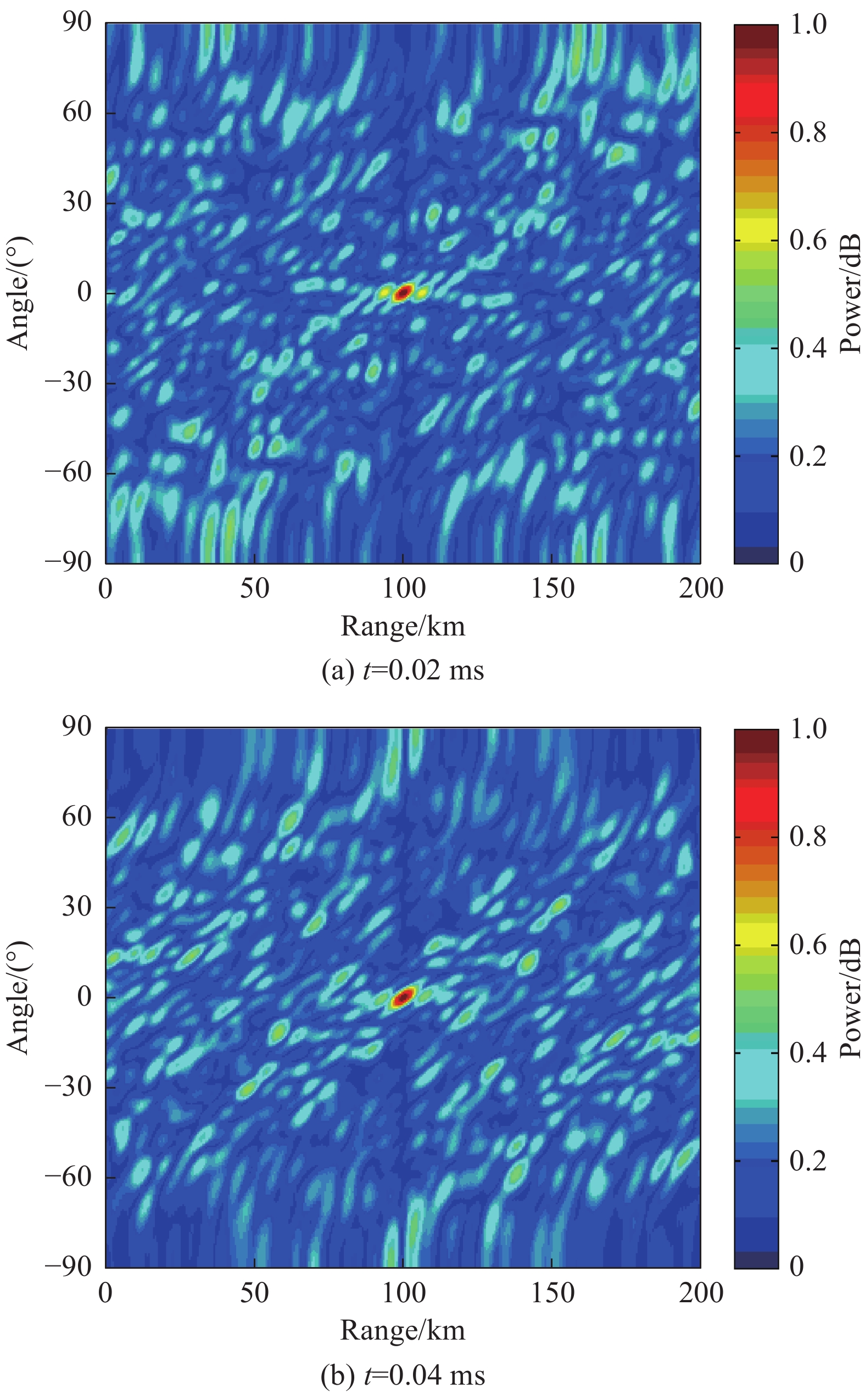

Fig 17
Subarray of FDA-MIMO beampatterns based on the CS algorithm"
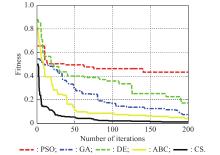
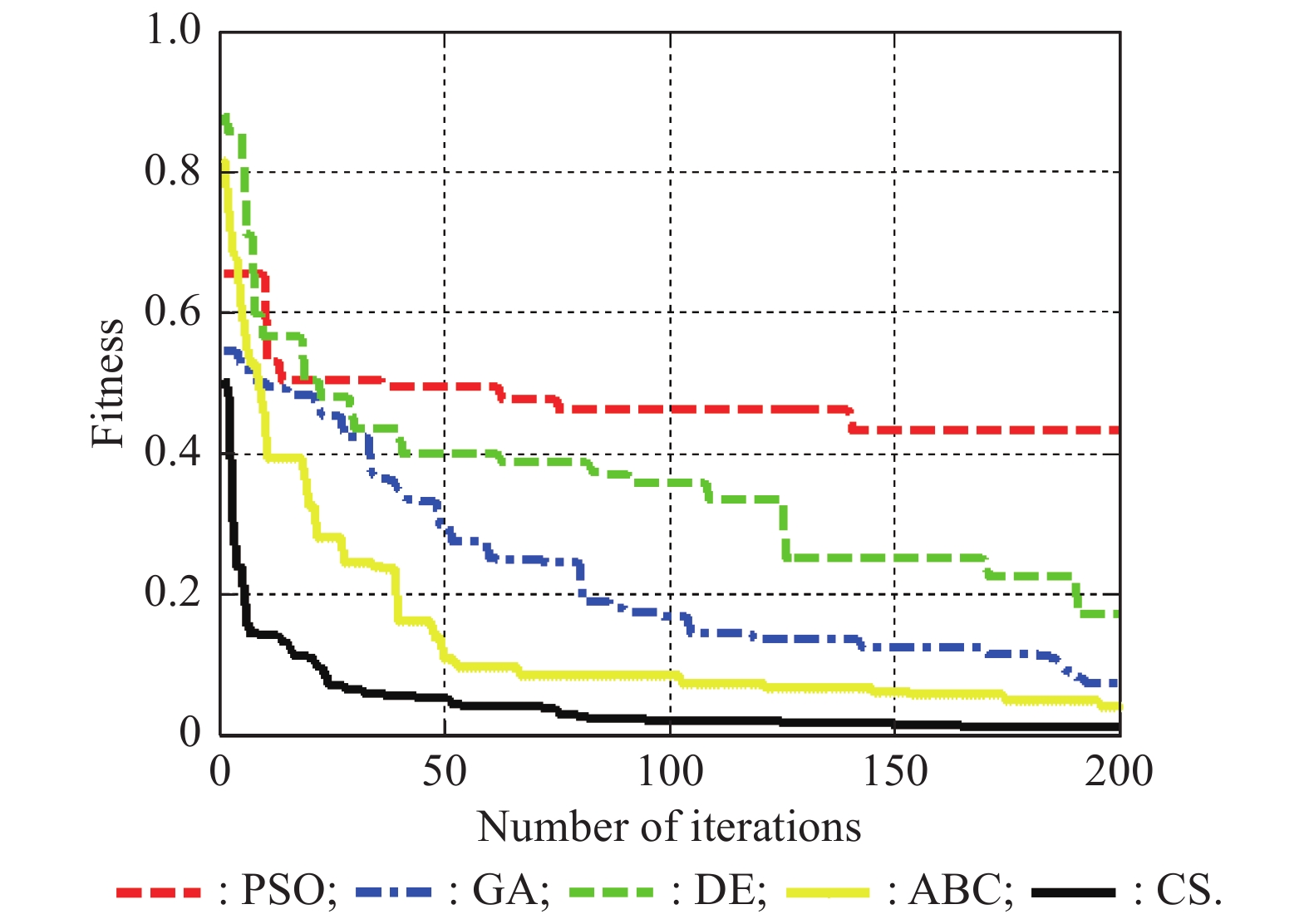
Fig 18
Fitness values of different algorithms"
| 1 | BAE Y, YOO S, AHN S, et al. Design of frequency diverse array using two coherent electro-optic frequency combs. Proc. of the IEEE Photonics Conference, 2023. DOI: 10.1109/IPC57732.2023.10360686. |
| 2 |
YU L, HE F, SU Y Multiscale observation in wide-spatial radar surveillance based on coherent FDA design. Science China Information Sciences, 2024, 67 (2): 122304.
doi: 10.1007/s11432-022-3816-3 |
| 3 |
GOLABI M, SHEIKHI A, BIGUESH M Signal design and multiple target detection in presence of clutter in pulsed FDA radar. Iranian Journal of Science and Technology, Transactions of Electrical Engineering, 2024, 48 (2): 611- 625.
doi: 10.1007/s40998-023-00693-8 |
| 4 | GAO Y S, TAN J J, ZHONG X R, et al. Frequency diverse array signal generation and beamforming based on dual optical combs. Journal of Lightwave Technology, 2024, 42(20): 7133−7143. |
| 5 |
DING Z Y, XIE J W, LI Z J Adaptive transmit beamspace optimization design based on RD-log-FDA radar. Journal of Systems Engineering and Electronics, 2022, 33 (1): 91- 96.
doi: 10.23919/JSEE.2022.000010 |
| 6 |
CAO C H, ZHAO Y B Multiple-model GLMB filter based on track-before-detect for tracking multiple maneuvering targets. Journal of Systems Engineering and Electronics, 2024, 35 (5): 1109- 1121.
doi: 10.23919/JSEE.2024.000040 |
| 7 |
YESILYURT U, ARICAN G O, AKSOY E Dot-shaped transmit beamforming with nonuniform time-modulated concentric circular frequency diverse array. Microwave and Optical Technology Letters, 2024, 66 (1): e33890.
doi: 10.1002/mop.33890 |
| 8 |
GONG P C, XU K Y, WU Y T, et al Optimization of LPI-FDA-MIMO radar and MIMO communication for spectrum coexistence. IEEE Wireless Communications Letters, 2023, 12 (6): 1076- 1080.
doi: 10.1109/LWC.2023.3261419 |
| 9 |
WANG Y Z, ZHU S Q Main-beam range deceptive jamming suppression with simulated annealing FDA-MIMO radar. IEEE Sensors Journal, 2020, 20 (16): 9056- 9070.
doi: 10.1109/JSEN.2020.2982194 |
| 10 |
WAN P F, LIAO G S, XU J W, et al SMSP mainlobe jamming suppression with FDA-MIMO radar based on fast ICA algorithm. Sensors, 2023, 23 (12): 5619.
doi: 10.3390/s23125619 |
| 11 | CHEN G, WANG C Y, GONG J, et al. A fast phase-only beamforming algorithm for FDA-MIMO radar via Kronecker decomposition. Electronics, 2024, 13(2): 337. |
| 12 |
WANG B, WANG G, LI Y L, et al Deception analysis of threat source direction finding in trajectory planning by FDA radar. Journal of Systems Engineering and Electronics, 2025, 36 (6): 1488- 1500.
doi: 10.23919/JSEE.2025.000068 |
| 13 |
HUANG B, WANG W Q, LI P, et al Adaptive target detection for an FDA-MIMO radar in a mainlobe deceptive jamming and a partially homogeneous noise. Digital Signal Processing, 2024, 152, 104583.
doi: 10.1016/j.dsp.2024.104583 |
| 14 |
ZHU J J, ZHU S Q, XU J W, et al Simultaneous detection and discrimination of mainlobe deceptive jammers in FDA-MIMO radar. IEEE Trans. on Aerospace and Electronic Systems, 2023, 59 (6): 7499- 7513.
doi: 10.1109/TAES.2023.3291683 |
| 15 |
GUO K, WANG Z L, ZHANG L, et al Robust adaptive beamforming based on zone orthogonal constraint and steering vector estimation. JASA Express Letters, 2023, 3 (5): 054801.
doi: 10.1121/10.0017935 |
| 16 |
WANG B, XIE J W, ZHANG J, et al Dot-shaped beamforming analysis based on OSB log-FDA. Journal of Systems Engineering and Electronics, 2020, 31 (2): 312- 320.
doi: 10.23919/JSEE.2020.000009 |
| 17 |
WANG B, XIE J W, ZHANG J, et al Dot-shaped beamforming analysis of subarray-based sin-FDA. Frontiers of Information Technology & Electronic Engineering, 2019, 20 (10): 1429- 1444.
doi: 10.1631/FITEE.1800722 |
| 18 |
KHAN W, QURESHI I M Frequency diverse array radar with time-dependent frequency offset. IEEE Antennas and Wireless Propagation Letters, 2014, 13, 758- 761.
doi: 10.1109/LAWP.2014.2315215 |
| 19 |
YANG Y Q, WANG H, WANG H Q, et al Optimization of sparse frequency diverse array with time-invariant spatial-focusing beampattern. IEEE Antennas and Wireless Propagation Letters, 2018, 17 (2): 351- 354.
doi: 10.1109/LAWP.2018.2789979 |
| 20 | TAN M, WANG C Y, LI Z H Correction analysis of frequency diverse array radar about time. IEEE Trans. on Antennas and Propagation, 2020, 69 (2): 834- 847. |
| 21 |
CHEN K J, YANG S W, CHEN Y K, et al Accurate models of time-invariant beampatterns for frequency diverse arrays. IEEE Trans. on Antennas and Propagation, 2019, 67 (5): 3022- 3029.
doi: 10.1109/TAP.2019.2896712 |
| 22 | YANG X S, DEB S. Cuckoo search via Lévy flights. Proc. of the World Congress on Nature & Biologically Inspired Computing, 2009: 210−214. |
| 23 |
DAI Y, WANG X, LI Z L, et al Thermal error modeling of electric spindles based on cuckoo algorithm optimized Elman network. The International Journal of Advanced Manufacturing Technology, 2024, 132 (3): 1365- 1375.
doi: 10.1007/s00170-024-13327-y |
| 24 |
YANG H X, XIA Q Q, SU M, et al Microgrid based on ICA and improved cuckoo search algorithm optimizing scheduling methods. Journal of Physics: Conference Series, 2024, 2788, 012028.
doi: 10.1088/1742-6596/2788/1/012028 |
| 25 | YAO A M, ANSELMI N, ROCCA P. A novel planar frequency diverse array design approach for far-field wireless power transmission. Proc. of the IEEE International Symposium on Antennas and Propagation & USNC/URSI National Radio Science Meeting, 2017: 1807−1808. |
| 26 |
WANG C Z, ZHU X H Three-dimensional parameter estimation of uniform circular frequency diverse array radar with two-stage estimator. IEEE Sensors Journal, 2021, 21 (16): 17775- 17784.
doi: 10.1109/JSEN.2021.3083709 |
| 27 |
ZHU C J, SONG M Z, DANG X Y, et al Position-sensitivity security transmission with orbital angular momentum directional modulation based on frequency diverse array. Transactions on Emerging Telecommunications Technologies, 2022, 33 (7): e4505.
doi: 10.1002/ett.4505 |
| 28 | XIONG J. Reasearch on transmiting beamforming technology and its applications of frequency diverse array. Chengdu: University of Electronic Science and Technology of China, 2018. (in Chinese) |
| [1] | Haipeng LI, Dazheng FENG. Cuckoo search algorithm-based optimal deployment method of heterogeneous multistatic radar for barrier coverage [J]. Journal of Systems Engineering and Electronics, 2023, 34(5): 1101-1115. |
| [2] | Jingjing Cai, Dan Bao, and Peng Li. DOA estimation via sparse recovering from the smoothed covariance vector [J]. Systems Engineering and Electronics, 2016, 27(3): 555-561. |
| [3] | Feng Tan, Mingzhe Hou, and Guangren Duan. Stabilization of linear time-varying systems with state and input constraints using convex optimization [J]. Systems Engineering and Electronics, 2016, 27(3): 649-655. |
| [4] | Linhan Guo, Jiujiu Fan, Meilin Wen, and Rui Kang. Joint optimization of LORA and spares stocks considering corrective maintenance time [J]. Journal of Systems Engineering and Electronics, 2015, 26(1): 85-. |
| [5] | Li Ronghua, Zhou Guoxu, Yang Zuyuan & Xie Shengli. Online blind source separation based on joint diagonalization [J]. Journal of Systems Engineering and Electronics, 2009, 20(2): 229-233. |
| Viewed | ||||||
|
Full text |
|
|||||
|
Abstract |
|
|||||
