
Journal of Systems Engineering and Electronics ›› 2026, Vol. 37 ›› Issue (5): 1449-1462.doi: 10.23919/JSEE.2026.000162
• ELECTRONICS TECHNOLOGY • Previous Articles
Yongbin Yu1( ), Yutong Liu1(), Jiarun Shen1(), Ma-bao Ban1(), Xiangxiang Wang1,*(), Drolma Tsering2(), Tsering Thupten3,4(), Cheng Huang5(), Tashi Dorje2(), Dongrub Rinchen2(), Duojie Renzeng2(), Luosang Gadeng2(), Tashi Karma2(), Tashi Nyima2,*()
Received:2024-11-08
Online:2026-10-18
Published:2026-11-09
Contact:
Xiangxiang Wang, Tashi Nyima
E-mail:ybyu@uestc.edu.cn;yutongliu0620@foxmail.com;jiarunshen@foxmail.com;bamboo@uestc.edu.cn;wxxlongtime@gmail.com;2510100496@qq.com;thupten@uestc.edu.cn;chenghuang@smu.edu;1336786645@qq.com;rindon@utibet.edu.cn;rzdj@utibet.edu.cn;gadenutibet@gmail.com;gama@utibet.edu.cn;nmzx@utibet.edu.cn
Supported by:Yongbin Yu, Yutong Liu, Jiarun Shen, Ma-bao Ban, Xiangxiang Wang, Drolma Tsering, Tsering Thupten, Cheng Huang, Tashi Dorje, Dongrub Rinchen, Duojie Renzeng, Luosang Gadeng, Tashi Karma, Tashi Nyima. Memristive computing for Tibetan spellchecker[J]. Journal of Systems Engineering and Electronics, 2026, 37(5): 1449-1462.
Fig 1
Rule-based Tibetan syllable component recognization architecture diagram"
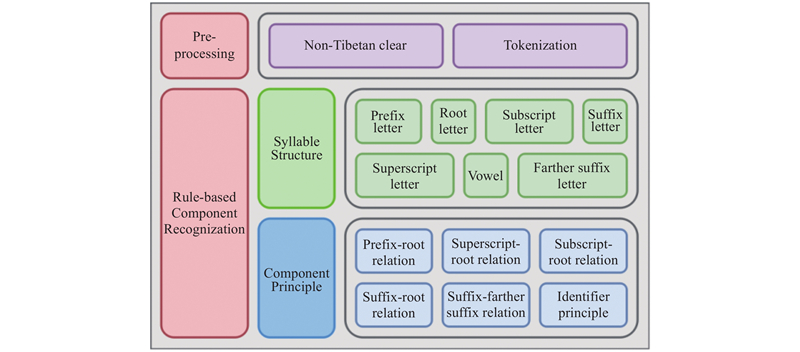
Fig 2
Native Tibetan syllable structure"
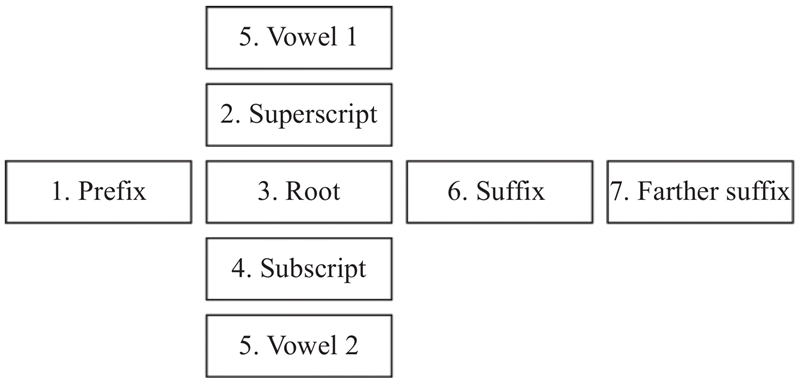
Table 1
Characters belong to each component"
| Component | Character |
| Root letter | ཀ, ཁ, ག, ང, ཅ, ཆ, ཇ, ཉ, ཏ, ཐ, ད, ན, པ, ཕ, བ, མ, ཙ, ཚ, ཛ, ཝ, ཞ, ཟ, འ, ཡ, ར, ལ, ཤ, ས, ཧ, ཨ |
| Prefix letter | ག, ད, བ, མ, འ |
| Superscript letter | ར, ལ, ས |
| Subscript letter | ◌ྱ, ◌ྲ, ◌ླ, ◌ྭ |
| Vowel letter | ◌ི, ◌ུ, ◌ེ, ◌ོ |
| Suffix letter | ག, ང, ད, ན, བ, མ, འ, ར, ལ, ས |
| Farther suffix letter | ད, ས |
Table 2
Relationship between prefix letter and root letter"
| Prefix letter | Root letter |
| ག | ཅ, ཏ, ཙ, ཉ, ད, ན, ཞ, ཟ, ཡ, ཤ, ས |
| ད | ཀ, པ, ག, བ, ང, མ |
| བ | ཀ, ཅ, ཏ, ཙ, ག, ང, ཇ, ཉ, ད, ན, ཛ, ཞ, ཟ, ཪ, ཤ, ས |
| མ | ཁ, ཆ, ཐ, ཚ, ག, ཇ, ད, ཛ, ང, ཉ, ན |
| འ | ག, ཇ, ད, བ, ཛ, ཁ, ཆ, ཐ, ཕ, ཚ |
Table 3
Relationship between superscript letter and root letter"
| Superscript letter | Root letter |
| ར | ◌ྐ, ◌ྒ, ◌ྔ, ◌ྗ, ◌ྟ, ◌ྡ, ◌ྣ, ◌ྦ, ◌ྨ, ◌ྕ, ◌ྫ, ◌ྙ |
| ལ | ◌ྐ, ◌ྒ, ◌ྔ, ◌ྕ, ◌ྗ, ◌ྟ, ◌ྡ, ◌ྤ, ◌ྦ, ◌ྷ |
| ས | ◌ྐ, ◌ྒ, ◌ྔ, ◌ྙ, ◌ྟ, ◌ྡ, ◌ྣ, ◌ྤ, ◌ྦ, ◌ྨ, ◌ྩ |
Table 4
Relationship between subscript letter and root letter"
| Subscript letter | Root letter |
| ◌ྱ | ཀ, ཁ, ག, པ, ཕ, བ, མ |
| ◌ྲ | ཀ, ཁ, ག, ཏ, ཐ, ད, པ, ཕ, བ, མ, ས, ཧ |
| ◌ླ | ཀ, ག, བ, ཟ, ཪ, ས |
| ◌ྭ | ཀ, ཁ, ག, ཉ, ད, ཙ, ཚ, ཞ, ཟ, ར, ལ, ཤ, ཧ |
Table 5
Relationship between farther suffix letter and suffix letter"
| Farther suffix letter | Suffix letter |
| ད | ན, ར, ལ |
| ས | ག, ང, བ, མ |
Table 6
Valid component patterns of Tibetan syllables"
| Number of components | Representative component pattern |
| 1 | Root |
| 2 | Superscript + Root; Root + Subscript; Root + Suffix; Root + Vowel |
| 3 | prefix letter + root letter + suffix letter; root letter + suffix letter + farther suffix letter; prefix letter + root letter + vowel; prefix letter + superscript letter + root letter; prefix letter + root letter + subscript letter; superscript letter + root letter + vowel; superscript letter + root letter + subscript letter; superscript letter + root letter + suffix letter; root letter + subscript letter + vowel; root letter + subscript letter + suffix letter; root letter + vowel + suffix letter |
| >3 | Constructed according to the same component rules |
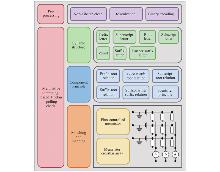
Fig 3
Memristor-based Tibetan spelling check architecture diagram"
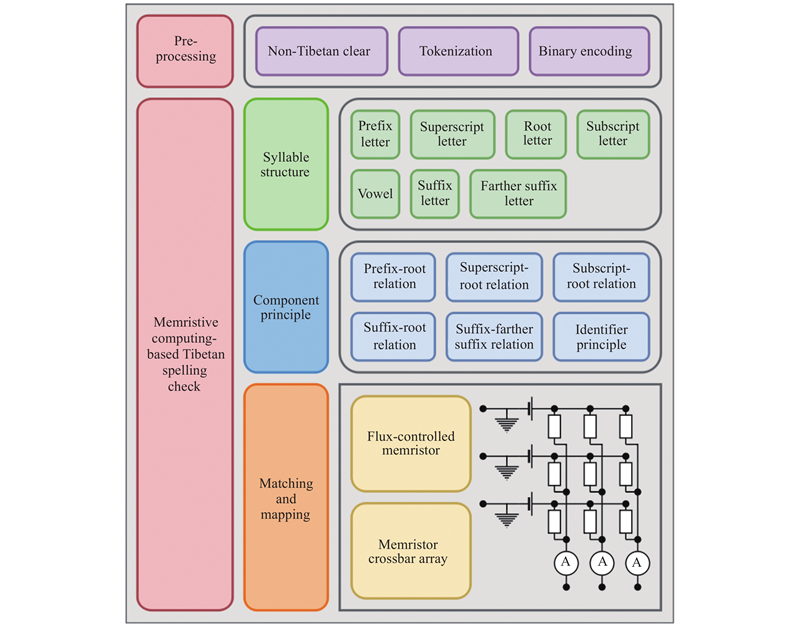
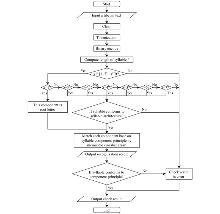
Fig 5
Flow chart of memristive computing-based Tibetan syllable recognization and spelling check method"
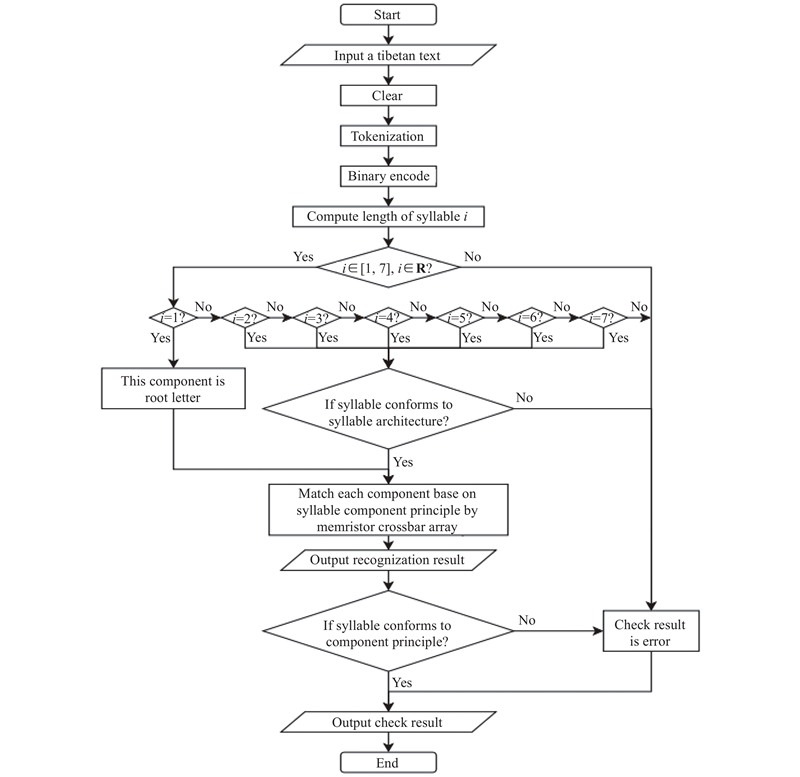
Table 7
Binary code of consonants"
| Character | Code | Character | Code | |
| ཀ | 0100 0000 | ཁ | 0100 0001 | |
| ག | 0100 0010 | ང | 0100 0100 | |
| ཅ | 0100 0101 | ཆ | 0100 0110 | |
| ཇ | 0100 0111 | ཉ | 0100 | |
| ཏ | 0100 | ཐ | 0101 0000 | |
| ད | 0101 0001 | ན | 0101 0011 | |
| པ | 0101 0100 | ཕ | 0101 0101 | |
| བ | 0101 0110 | མ | 0101 | |
| ཙ | 0101 | ཚ | 0101 | |
| ཛ | 0101 | ཝ | 0101 | |
| ཞ | 0101 | ཟ | 0101 | |
| འ | 0110 0000 | ཡ | 0110 0001 | |
| ར | 0110 0010 | ལ | 0110 0011 | |
| ཤ | 0110 0100 | ས | 0110 0110 | |
| ཧ | 0110 0111 | ཨ | 0110 |

Fig 4
Web interface of memristive computing-based Tibetan spelling check system"
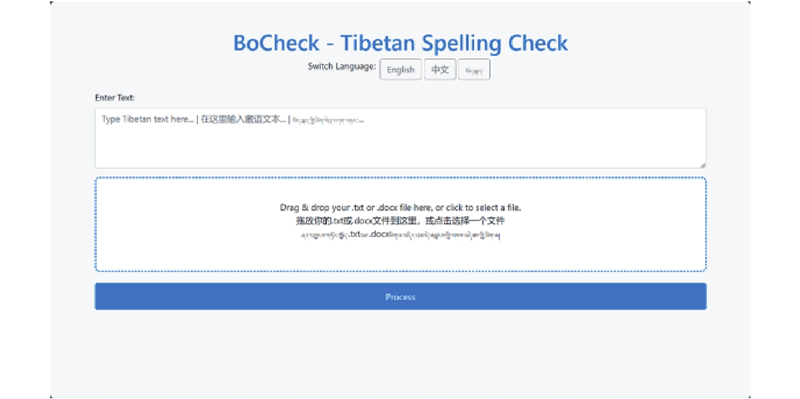
Table 8
Parameters of memristor"
| Parameter | Value |
| 0.2 | |
| 0.08 | |
| −0.5 | |
| 0.5 | |
| 100 | |
| 100 | |
| 0.5 | |
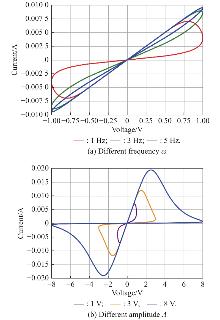
Fig 6
Voltage-ampere characteristic curve of memristor"
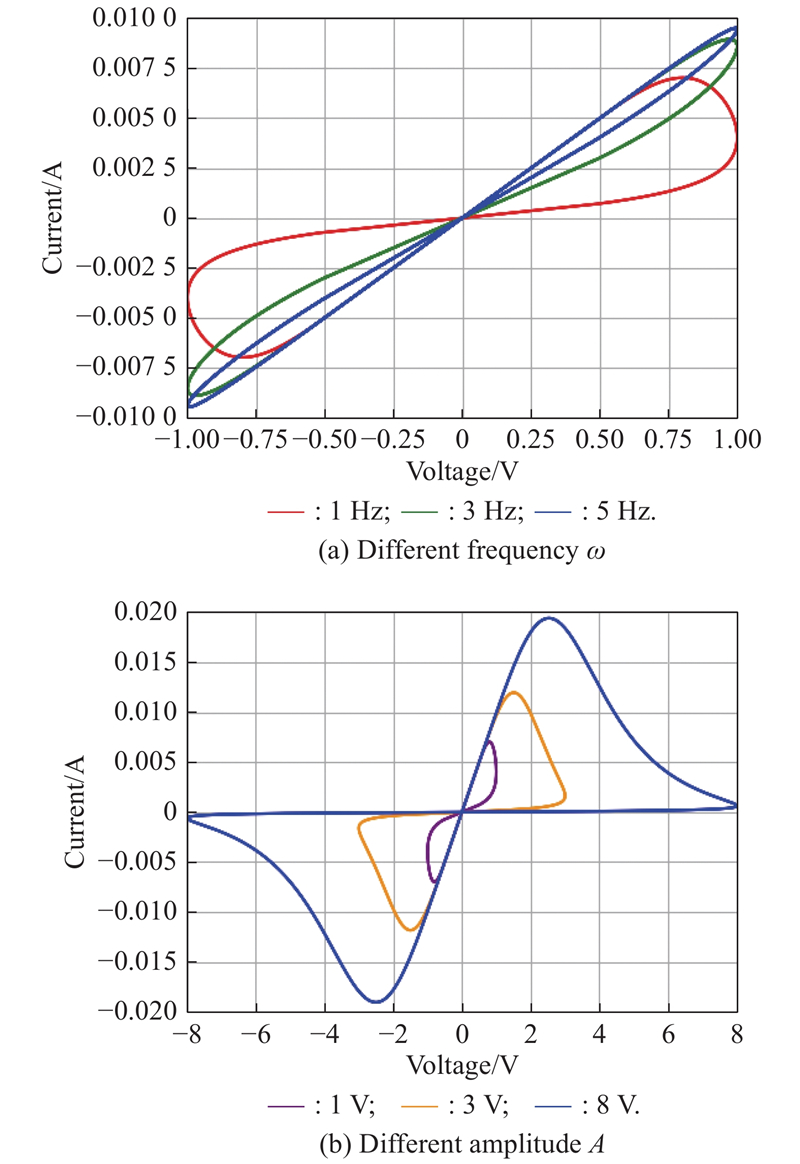
Fig 7
Circuit diagram of memristor crossbar array"
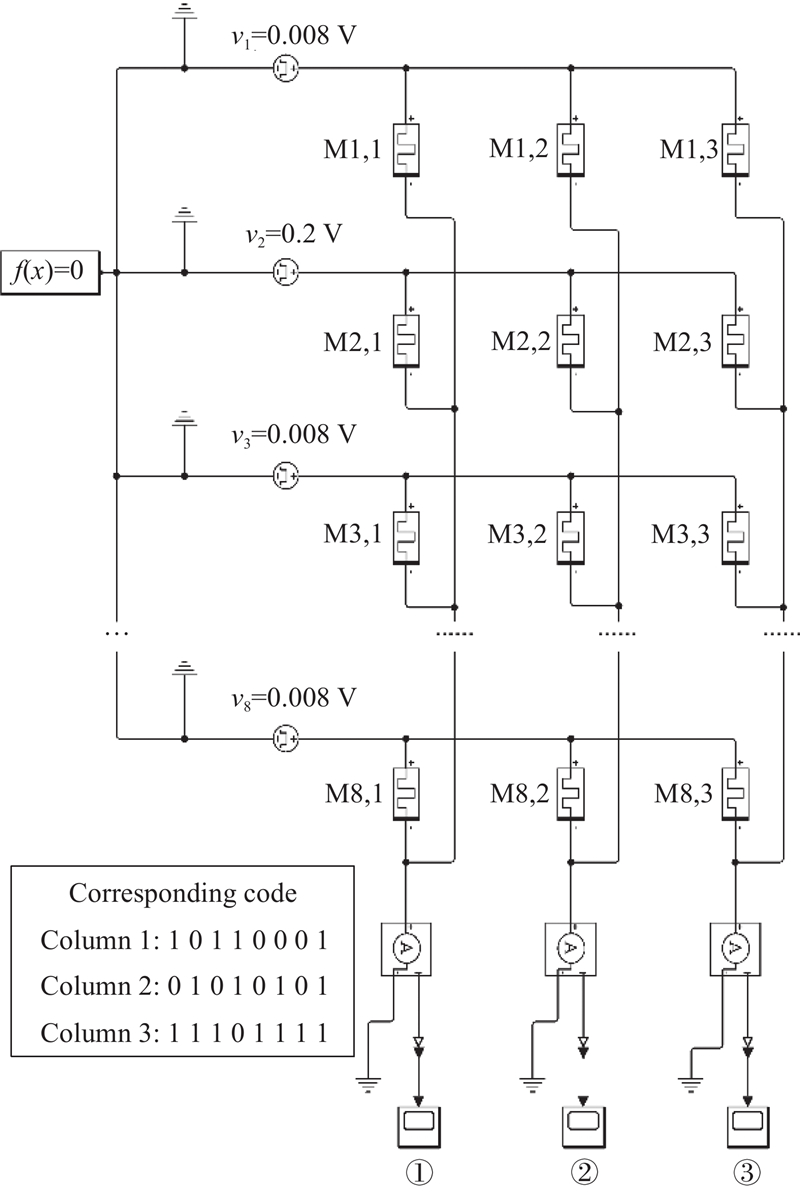
Fig 8
Current versus time characteristics of the three ammeters in the memristor crossbar array under ideal condition"
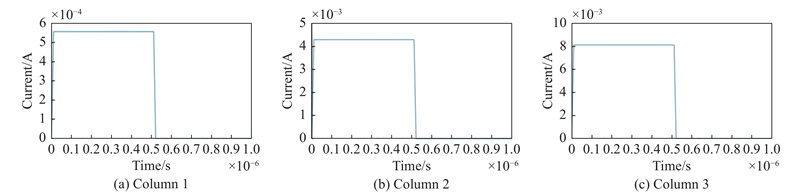
Fig 9
Current versus time characteristics of the three ammeters in the memristor crossbar array under noisy condition (Gaussian noise with a variance of 1.0 × e−5 is applied to the input voltage)"
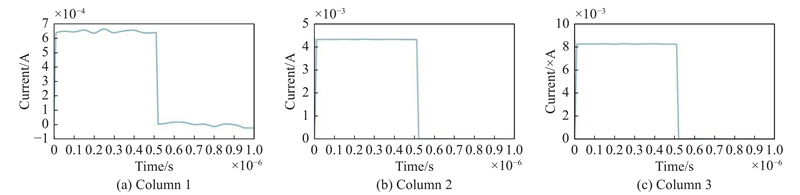
Fig 10
Current versus time characteristics of the three ammeters in the memristor crossbar array under noisy condition (Gaussian noise with a variance of 1.0 × e−4 is applied to the input voltage)"
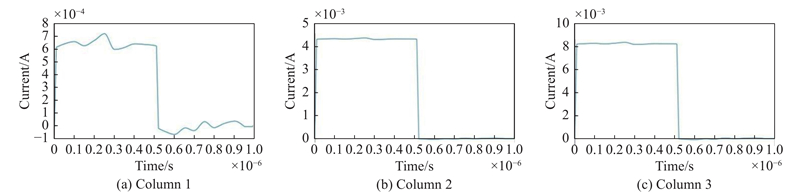
Fig 11
Recognition results visualization"
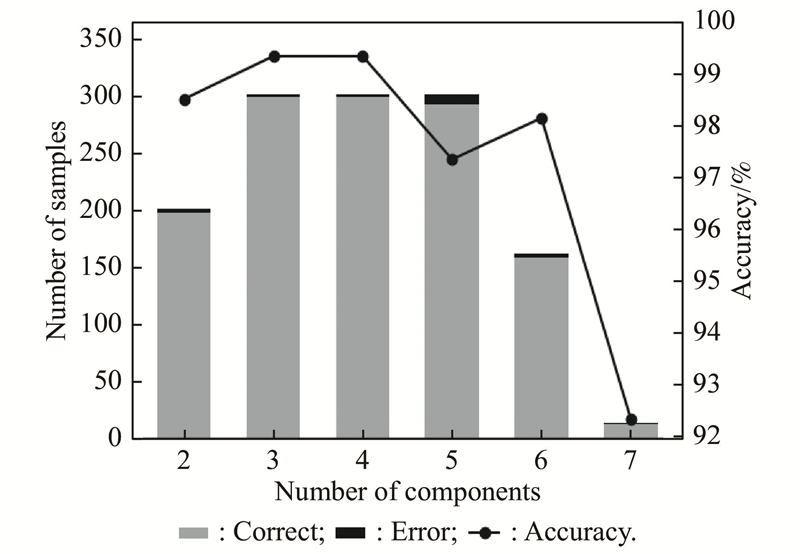
Table 9
Recognization result"
| Syllable | Prefix letter | Superscript letter | Root letter | Subscript letter | Vowel | Suffix letter | Farther suffix letter |
| འི | − | − | འ | − | ◌ི | − | − |
| དང | − | − | ད | − | − | ང | − |
| དེ | − | − | ད | − | ◌ེ | − | − |
| པར | − | − | པ | − | − | ར | − |
| ཀྱི | − | − | ཀ | ◌ྱ | ◌ི | − | − |
| གྱི | − | − | ག | ◌ྱ | ◌ི | − | − |
| ཡིན | − | − | ཡ | − | ◌ི | ན | − |
| ཡོད | − | − | ཡ | − | ◌ོ | ད | − |
| བྱེད | − | − | བ | ◌ྱ | ◌ེ | ད | − |
| སོགས | − | − | ས | − | ◌ོ | ག | ས |
| གཉིས | ག | − | ཉ | − | ◌ི | ས | − |
| ཚོགས | − | − | ཚ | − | ◌ོ | ག | ས |
| འགྱུར | འ | − | ག | ◌ྱ | ◌ུ | ར | − |
| ཕྱོགས | − | − | ཕ | ◌ྱ | ◌ོ | ག | ས |
| སྤྱོད | − | ས | པ | ◌ྱ | ◌ོ | ད | − |
| གསུངས | ག | − | ས | − | ◌ུ | ང | ས |
| བསྐྱེད | བ | ས | ཀ | ◌ྱ | ◌ེ | ད | − |
| བརྒྱུད | བ | ར | ག | ◌ྱ | ◌ུ | ད | − |
| བསྒྱུར | བ | ས | ག | ◌ྱ | ◌ུ | ར | − |
| བསྒྲུབ | བ | ས | ག | ◌ྲ | ◌ུ | བ | − |
| བསྒྲུབས | བ | ས | ག | ◌ྲ | ◌ུ | བ | ས |
| བསྒྲིགས | བ | ས | ག | ◌ྲ | ◌ི | ག | ས |
| བསྒྲིབས | བ | ས | ག | ◌ྲ | ◌ི | བ | ས |
| བརྒྱུགས | བ | ར | ག | ◌ྲ | ◌ུ | ག | ས |
Table 10
Evaluation result of hunspell and our method"
| Method | Precision | Recall | F1-score |
| Hunspell | 100.00 | 91.98 | 95.82 |
| Jamspell | 96.66 | 98.60 | 97.62 |
| Symspell | 93.97 | 98.97 | 96.89 |
| The proposed method | 100.00 | 97.19 | 98.58 |
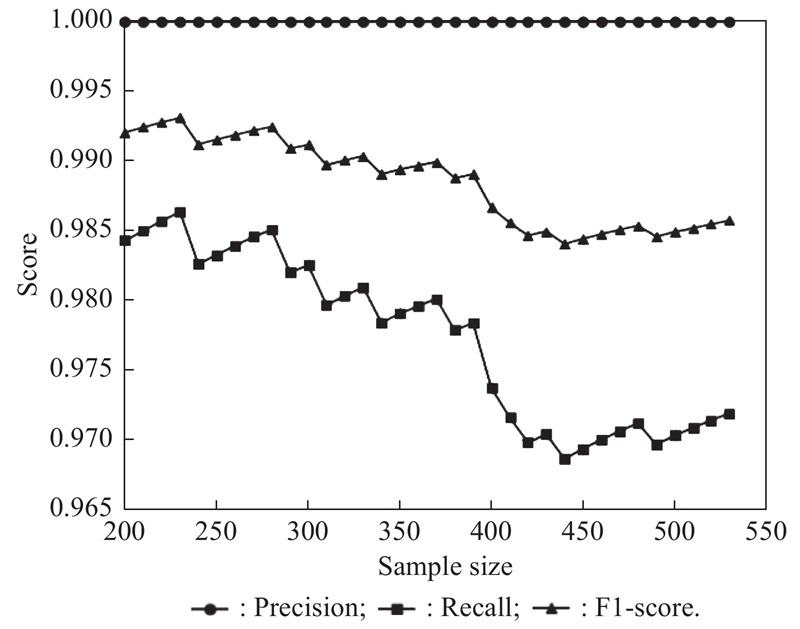
Fig 12
Check results visualization of proposed method"
| 1 |
Chua L O Memristor-the missing circuit element. IEEE Trans. onCircuit Theory, 1971, 18 (5): 507.
doi: 10.1109/TCT.1971.1083337 |
| 2 |
Chua L O How we predicted the memristor. Nature Electronics, 2018, 1, 322.
doi: 10.1038/s41928-018-0074-4 |
| 3 | Pan F, Gao S, Chen C, et al Recent progress in resistive random access memories: materials, switching mechanisms, and performance. Materials Science & Engineering R-reports, 2014, 83, 1. |
| 4 |
Wang M, Cai S H, Pan C, et al Robust memristors based on layered two-dimensional materials. Nature Electronics, 2018, 1, 130.
doi: 10.1038/s41928-018-0021-4 |
| 5 |
Zhang S J, Tao Y, Qin S W, et al Memristors based on two-dimensional h-BN materials: synthesis, mechanism, optimization and application. npj 2D Materials and Applications, 2024, 8, 81.
doi: 10.1038/s41699-024-00519-z |
| 6 |
Kvatinsky S, Friedman E G, Kolodny A, et al Team: threshold adaptive memristor model. IEEE Trans. onCircuits and Systems I: Regular Papers, 2013, 60 (1): 211.
doi: 10.1109/TCSI.2012.2215714 |
| 7 | Kvatinsky S, Ramadan M, Friedman E G, et al Vteam: a general model for voltage-controlled memristors. IEEE Trans. onCircuits and Systems II: Express Briefs, 2015, 62 (8): 786. |
| 8 | Yu Y B, Li B, Tang Q A novel cubic flux-controlled memristor model and its filter study. Journal of University of Electronic Science and Technology of China, 2021, 50 (3): 339. |
| 9 |
Pal S, Bose S, Islam A Design of memristor based low power and highly reliable ReRAM cell. Microsystem Technologies, 2022, 28, 793.
doi: 10.1007/s00542-019-04582-1 |
| 10 |
Tossoun B, Liang D, Cheung S, et al High-speed and energy-efficient non-volatile silicon photonic memory based on heterogeneously integrated memresonator. Nature Communications, 2024, 15, 551.
doi: 10.1038/s41467-024-44773-7 |
| 11 |
Elshekh H, Wang H, Zhu S, et al Nonvolatile resistive switching memory behavior of the TiOx-based memristor. Chemical Physics, 2024, 580, 112217.
doi: 10.1016/j.chemphys.2024.112217 |
| 12 |
Ghodke S S, Kumar S, Yadav S, et al Combinational logic circuits based on a power- and area-efficient memristor with low variability. Journal of Computational Electronics, 2024, 23, 131.
doi: 10.1007/s10825-023-02117-6 |
| 13 |
Liu G Z, Shen S H, Jin P P, et al Design of memristor-based combinational logic circuits. Circuits, Systems, and Signal Processing, 2021, 40, 5825.
doi: 10.1007/s00034-021-01770-1 |
| 14 |
Luo L, Li B C, Wang L D, et al Reconfigurable stateful logic circuit with Cu/CuI/Pt memristors for in-memory computing. IEEE Trans. onVery Large Scale Integration (VLSI) Systems, 2024, 32 (5): 835.
doi: 10.1109/TVLSI.2024.3370176 |
| 15 |
Lin F L, Cheng Y C, Li Z Q, et al Data encryption/decryption and medical image reconstruction based on a sustainable biomemristor designed logic gate circuit. Materials Today Bio, 2024, 29, 101257.
doi: 10.1016/j.mtbio.2024.101257 |
| 16 |
Woo K S, Han J, Yi S, et al Tunable stochastic memristors for energy-efficient encryption and computing. Nature Communications, 2024, 15, 3245.
doi: 10.1038/s41467-024-47488-x |
| 17 | Leng X X, Wang X P, Du B X, et al. Real-time dynamic medical image encryption based on extended multi-scroll memristive Hopfield neural network[J]. Nonlinear Dynamics, 2025. |
| 18 |
Wang X Y, Bao X G, Li X J, et al Crossbar array based on tri-valued memristors: its design and application. Nonlinear Dynamics, 2024, 112, 20353.
doi: 10.1007/s11071-024-10126-8 |
| 19 |
Shi T, Zhang H, Cui S Y, et al Stochastic neuro-fuzzy system implemented in memristor crossbar arrays. Science Advances, 2024, 10, 3135.
doi: 10.1126/sciadv.adl3135 |
| 20 |
Aguirre F, Sebastian A, Le G M, et al Hardware implementation of memristor-based artificial neural networks. Nature Communications, 2024, 15, 1974.
doi: 10.1038/s41467-024-45670-9 |
| 21 |
Yu Y B, Tang H W, Feng X, et al Design of multilayer cellular neural network based on memristor crossbar and its application to edge detection. Journal of Systems Engineering and Electronics, 2023, 34 (3): 641.
doi: 10.23919/JSEE.2022.000127 |
| 22 |
Huang Y, Ando T, Sebastian A, et al Memristor-based hardware accelerators for artificial intelligence. Nature Reviews Electrical Engineering, 2024, 1, 286.
doi: 10.1038/s44287-024-00037-6 |
| 23 |
Peng H H, Gan L, Guo X Memristor-based spiking neural networks: cooperative development of neural network architecture/algorithms and memristors. Chip, 2024, 3, 100093.
doi: 10.1016/j.chip.2024.100093 |
| 24 |
Kumar S, Wang X, Strachan J P, et al Dynamical memristors for higher-complexity neuromorphic computing. Nature Reviews Materials, 2022, 7, 575.
doi: 10.1038/s41578-022-00434-z |
| 25 |
Yu Y B, Yang N J, Yang C Y, et al Memristor bridge-based low pass filter for image processing. Journal of Systems Engineering and Electronics, 2019, 30 (3): 448.
doi: 10.21629/JSEE.2019.03.02 |
| 26 |
Du J M, Sun B, Yang C, et al Ferroelectric memristor and its neuromorphic computing applications. Materials Today Physics, 2025, 50, 101607.
doi: 10.1016/j.mtphys.2024.101607 |
| 27 | Shen J R, Yu Y B, Wang X X, et al. Memristive binary firefly algorithm for white lung images segmentation[C]. 2023 International Conference on Neuromorphic Computing, 2023: 331. |
| 28 |
Yu Y B, Yang C Y, Deng Q X, et al Memristive network-based genetic algorithm and its application to image edge detection. Journal of Systems Engineering and Electronics, 2021, 32 (5): 1062.
doi: 10.23919/jsee.2021.000091 |
| 29 |
Shi T, Gao L, Tian Y, et al Memristor-based feature learning for pattern classification. Nature Communications, 2025, 16, 913.
doi: 10.1038/s41467-025-56286-y |
| 30 | Zhang L H, Zhu J J, Man L M. Eastward development of Tibetans in China: a gravity-based approach with an application to population[C]. 2021 4th International Conference on Geoinformatics and Data Analysis, 2021: 1. |
| 31 |
Lv H, Pu C, Duo L, et al T-LLaMA: a Tibetan large language model based on LLaMA2. Complex Intelligence, 2025, 11, 72.
doi: 10.1007/s40747-024-01641-7 |
| 32 |
Zhou Q, Xu X N, Zhao Y Tibetan speech synthesis based on pre-trained mixture alignment FastSpeech2. Applied Sciences, 2024, 14 (15): 6834.
doi: 10.3390/app14156834 |
| 33 |
Gong Z R, Xu X N, Zhao Y Tibetan–Chinese speech-to-speech translation based on discrete units. Scientific Reports, 2025, 15, 2592.
doi: 10.1038/s41598-025-85782-w |
| 34 | Wang W L, Kun L W. A fast input method for Tibetan based on word in Unicode[C]. IMECS 2008: International Multiconference of Engineers and Computer Scientists, 2008: 374. |
| 35 | Wang W L, Duola. Formation of standard Tibetan syllables and comparison as well as analysis of the statistical results[C]. 2008 IEEE Conference on Cybernetics and Intelligent Systems, 2008: 379. |
| 36 | Huang H M, Da F P. Discussion on collation of Tibetan syllable[C]. 2010 International Conference on Asian Language Processing, 2010: 35. |
| 37 | Zhu J, Li T R, Ge S D J, et al Tibetan syllable rule model and applications. Acta Scientiarum Naturalium Universitatis Pekinensis, 2013, 49, 68. |
| 38 | Bianba W D, Zhuoga, Chen Y L, et al Study on recognition algorithms for Tibetan construction elements. Journal of Chinese Information Processing, 2014, 28, 104. |
| 39 | Brown C J. Improved neural word segmentation for standard Tibetan[C]. 2nd Workshop on Resources and Technologies for Indigenous, Endangered and Lesser-resourced Languages in Eurasia, 2024: 12. |
| 40 | San M C, Cai Z J, Cai R Z M, et al. Analysis on types of spelling errors in true Tibetan characters[C]. 2020 2nd International Conference on Computer Science Communication and Network Security, 2021: 336. |
| 41 | Zhu J, Li T R, Liu S J The algorithm of spelling check base on TSRM. Journal of Chinese Information Processing, 2014, 28, 92. |
| 42 | Zhu J, Li T R. An approach for Tibetan text automatic proofreading and its system design[J]. Acta Scientiarum Naturalium Universitatis Pekinensis, 2014: 142. |
| 43 | Liu H D, Hong J L, Nuo M H, et al Statistics and analysis on spell errors of Tibetan syllables based on a large scale web corpus. Journal of Chinese Information Processing, 2017, 31, 61. |
| 44 | Ahmadi S. Hunspell for Sorani Kurdish spell checking and morphological analysis[EB/OL]. https://arxiv.org/abs/2109.06374. |
| 45 | Stuart M, Christopher B, Marek R, et al. An extended sequence tagging vocabulary for grammatical error correction[C]. Findings of the Association for Computational Linguistics: European Chapter of the Association for Computational Linguistics (EACL) 2023, 2023: 1608. |
| 46 | Hue D Z X, Cai Z J, Ban M B A TC-LSTM based method for Tibetan spelling check. Journal of Chinese Information Processing, 2020, 31, 50. |
| 47 | Hua G C R, Jia S C, Bao M B, et al. Error correction of Tibetan verbs based on deep learning[C]. 2021 2nd International Conference on Artificial Intelligence and Computer Engineering, 2021: 221. |
| 48 |
Chua L O, Kang S M Memristive devices and systems. Proceedings of the IEEE, 1976, 64 (2): 209.
doi: 10.1109/PROC.1976.10092 |
| [1] | Yongbin YU, Haowen TANG, Xiao FENG, Xiangxiang WANG, Hang HUANG. Design of multilayer cellular neural network based on memristor crossbar and its application to edge detection [J]. Journal of Systems Engineering and Electronics, 2023, 34(3): 641-649. |
| [2] | Qingjian LI, Yan LIANG, Zhenzhou LU, Guangyi WANG. Threshold-type memristor-based crossbar array design and its application in handwritten digit recognition [J]. Journal of Systems Engineering and Electronics, 2023, 34(2): 324-334. |
| [3] | Yongbin YU, Nijing YANG, Chenyu YANG, Tashi NYIMA. Memristor bridge-based low pass filter for image processing [J]. Journal of Systems Engineering and Electronics, 2019, 30(3): 448-455. |
| Viewed | ||||||
|
Full text |
|
|||||
|
Abstract |
|
|||||
