
Journal of Systems Engineering and Electronics ›› 2026, Vol. 37 ›› Issue (1): 197-210.doi: 10.23919/JSEE.2026.000048
• SYSTEMS ENGINEERING • Previous Articles Next Articles
Deng WANG1( ), Wenhao XIAO1, Jianshuai SHAO2(), Yi JIANG1,*()
Received:2024-08-06
Accepted:2026-01-09
Online:2026-02-18
Published:2026-03-09
Contact:
Yi JIANG
E-mail:wander426@163.com;shaojianshuai@yeah.net;jyjybit@bit.edu.cn
About author:Deng WANG, Wenhao XIAO, Jianshuai SHAO, Yi JIANG. Prelaunch rolling suppression for maritime rockets using RF-AdaBoost[J]. Journal of Systems Engineering and Electronics, 2026, 37(1): 197-210.
Add to citation manager EndNote|Reference Manager|ProCite|BibTeX|RefWorks

Fig 1
Rocket installed at the stern of the transport ship"
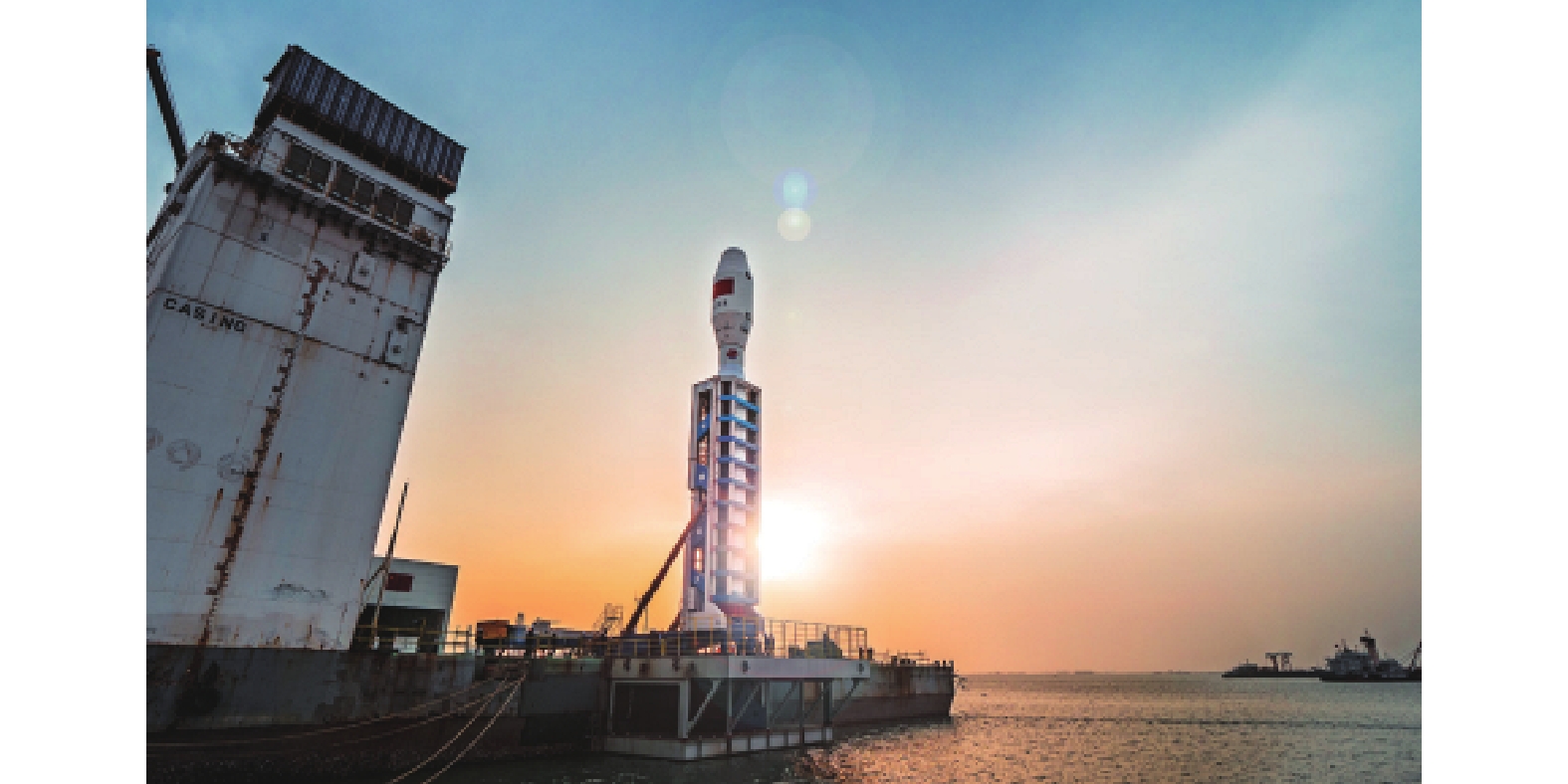
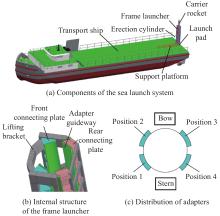
Fig 2
Sea launch system"
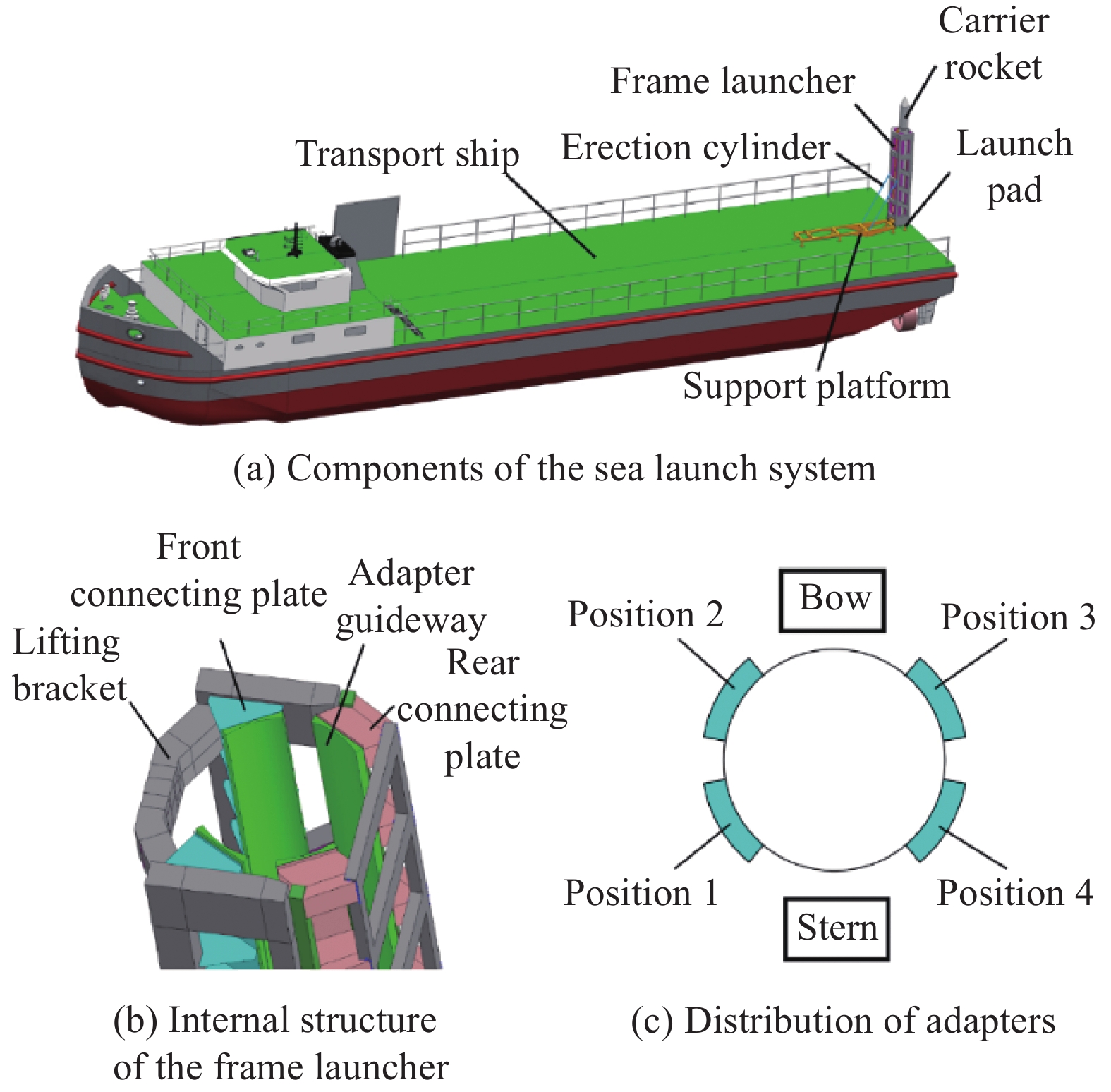
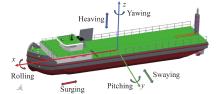
Fig 3
Six degrees of freedom motion of transport ship"
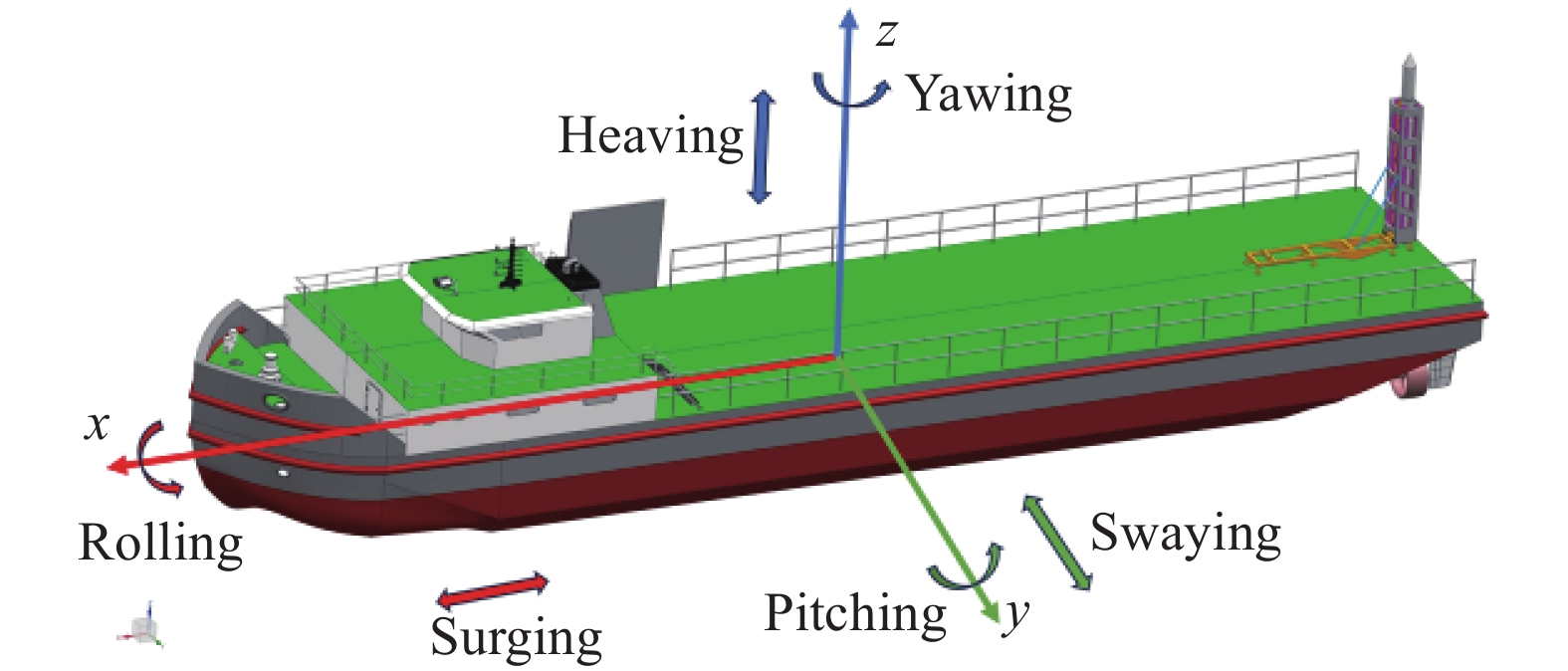
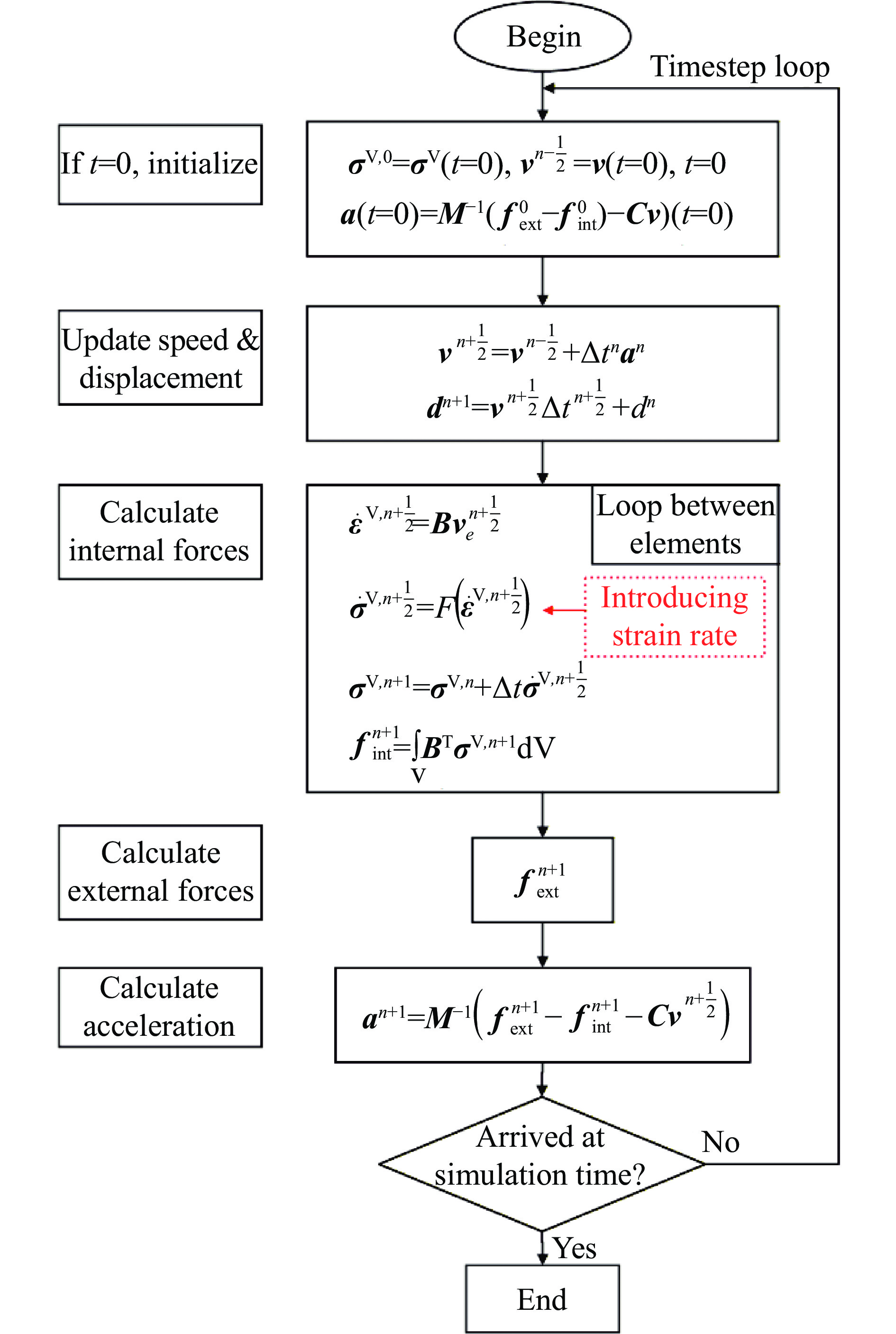
Fig 4
Calculation theory and process of introducing strain rate effect"
Fig 5
Finite element model of sea launch system"
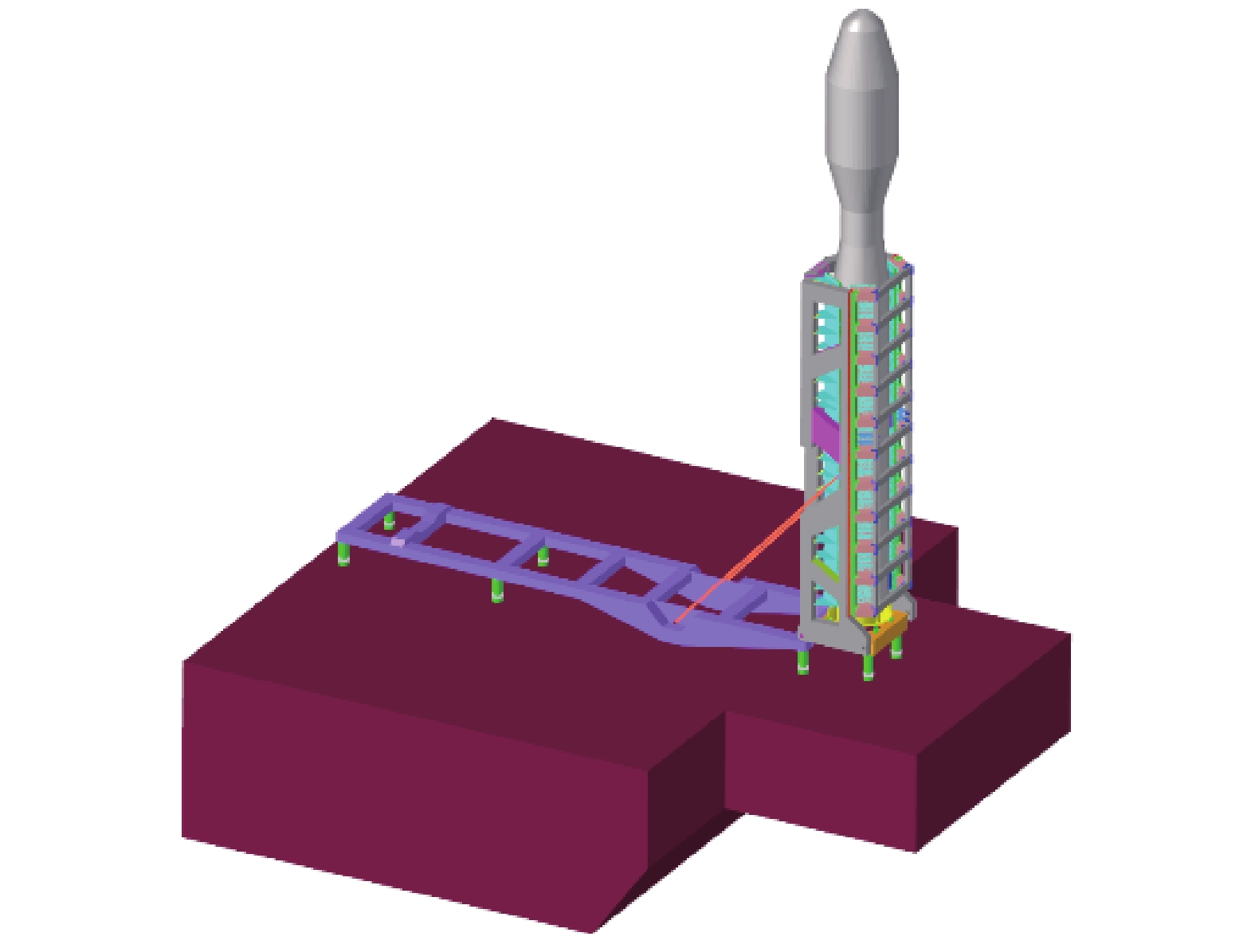
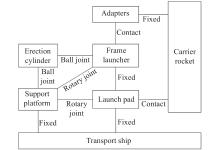
Fig 6
Connection of sea launch system"
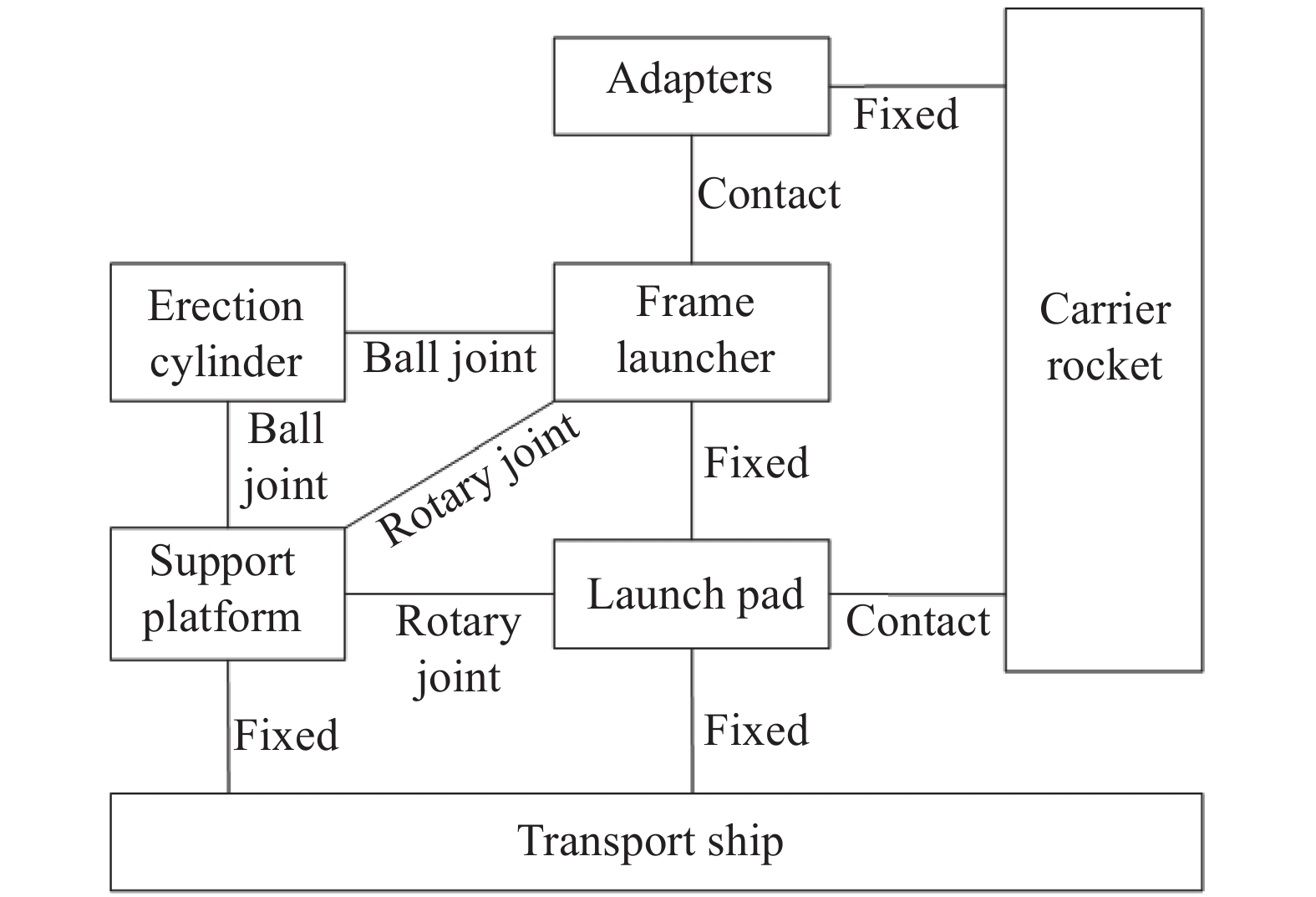
Table 1
Mass properties of the rocket"
| Parameter | Value | Moment of inertia | Value |
| Length/m | 30.888 | Ixx/(kg·m2) | |
| Mass/kg | 120 000 | Iyy/(kg·m2) | |
| Distance from the center of mass to the nose cone tip/m | 21.043 | Izz/(kg·m2) | 101 123 |
Table 2
Parameters of the InvsPoly function for the density of 200 kg/m3 (23 °C) s"
| Parameter | Strain rate/s | |||||
| y0 | − | − | − | − | − | − |
| εc | ||||||
| ω | ||||||
| A | ||||||
| A1 | ||||||
| A2 | − | − | − | − | − | − |
| A3 | ||||||
Table 3
Parameters of the exponential function for the foam of density of 200 kg/m3 (23 °C) s"
| Parameter | Strain rate/s | |||||
| σp | ||||||
| B1 | 2.03×10⁻⁴ | 1.94×10⁻⁴ | ||||
| t1 | − | − | − | − | − | − |
| B2 | 1.58×10⁻³ | 3.08×10⁻³ | ||||
| t2 | − | − | − | − | − | − |
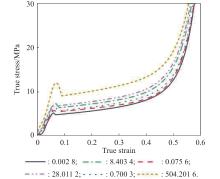
Fig 7
True stress-strain curves of the adapter (23 °C)"
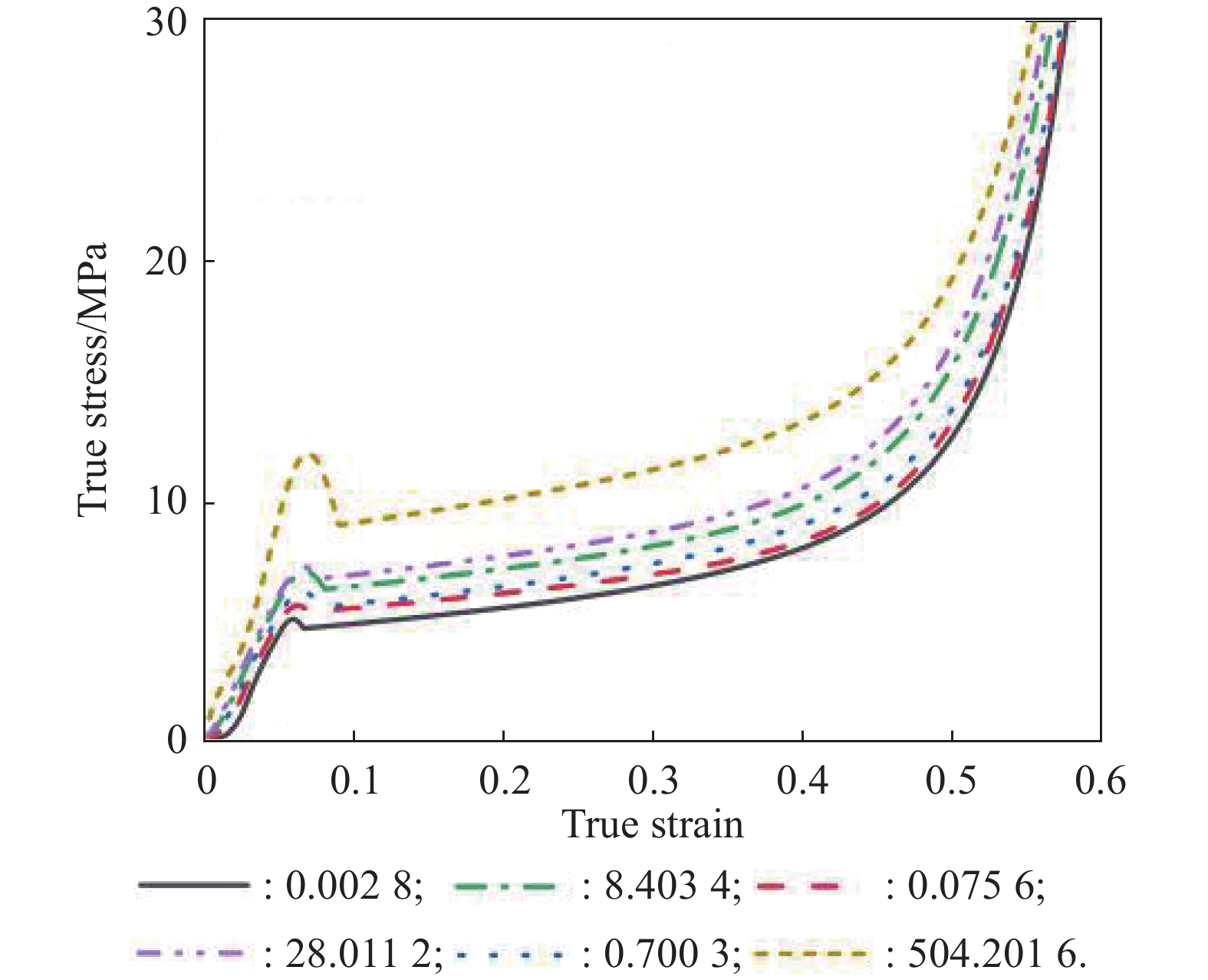
Fig 8
Boundary conditions of transport ship"
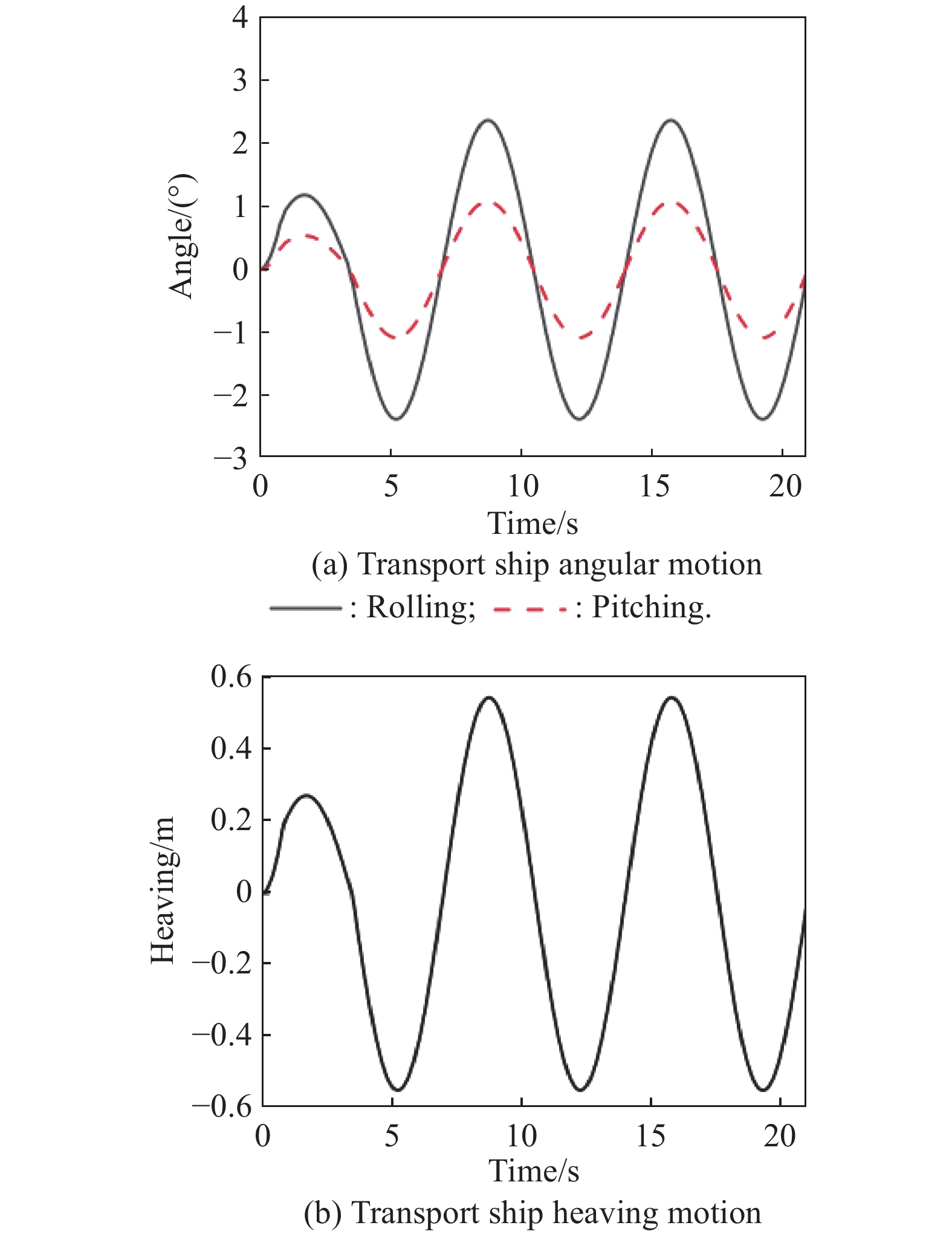
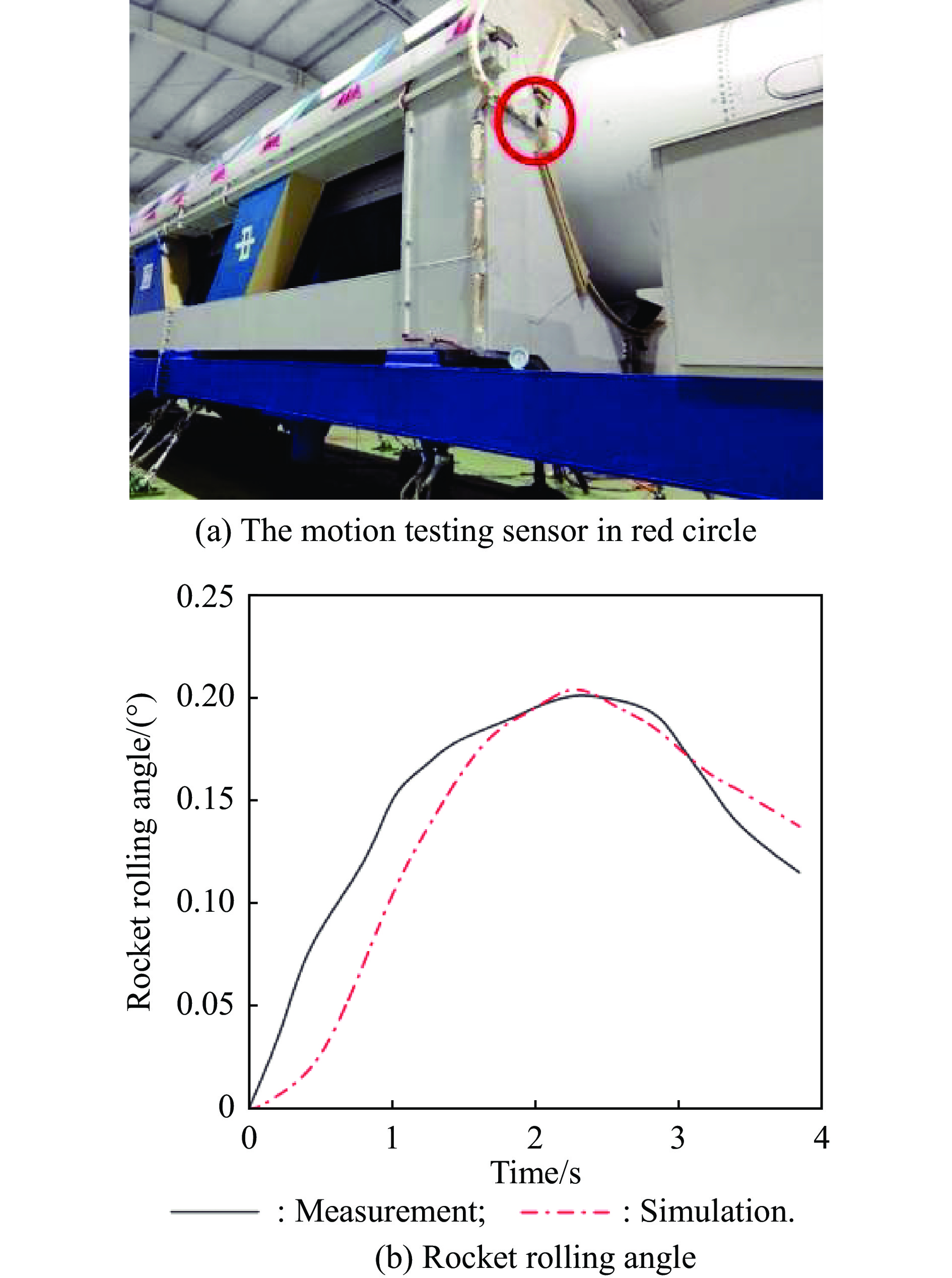
Fig 9
The rocket motion measured during the sea launch"

Fig 10
Rolling angle corresponding to the large samples"
Fig 11
Diagram illustrating the principle of the RF-AdaBoost algorithm"
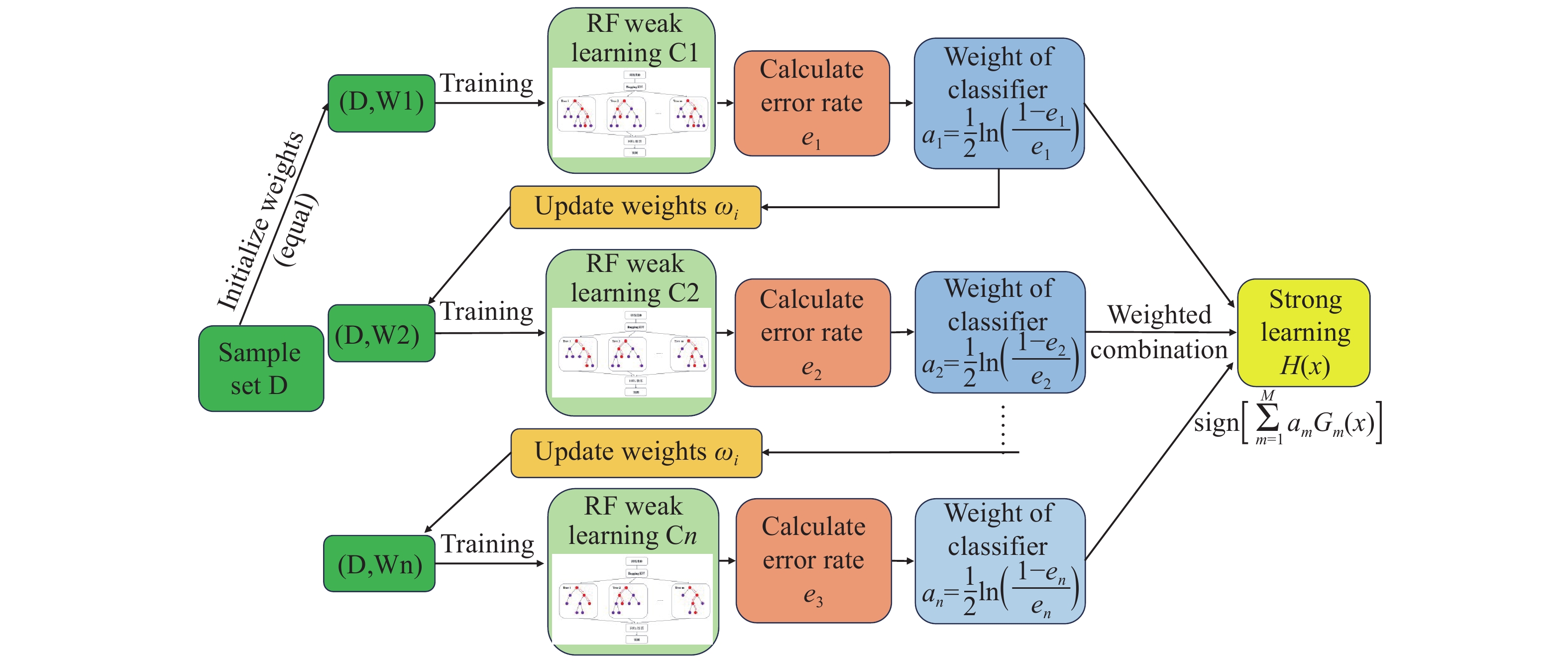
Fig 12
Comparison of simulated values and predicted values using RF-AdaBoost"
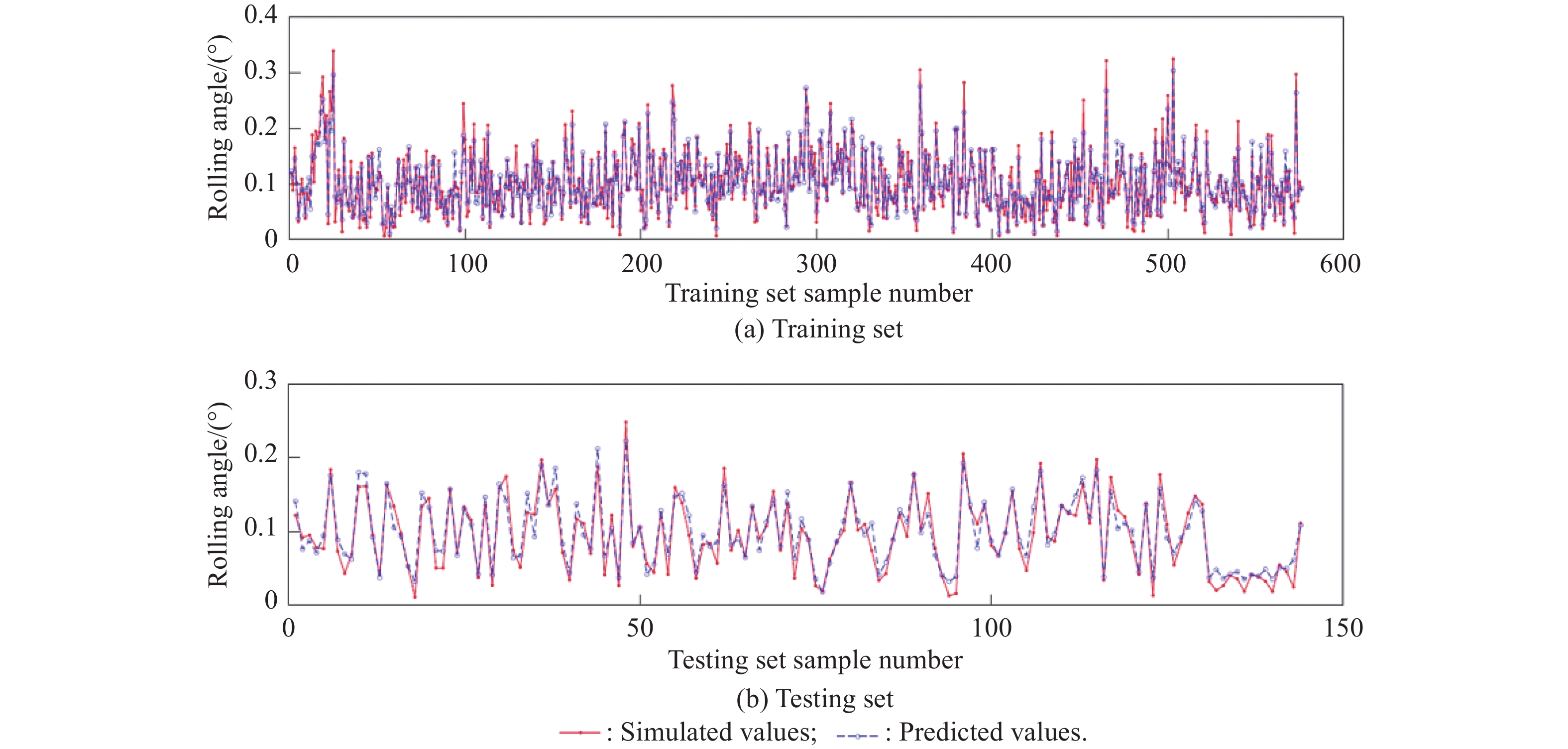
Fig 13
Regression fitting prediction"
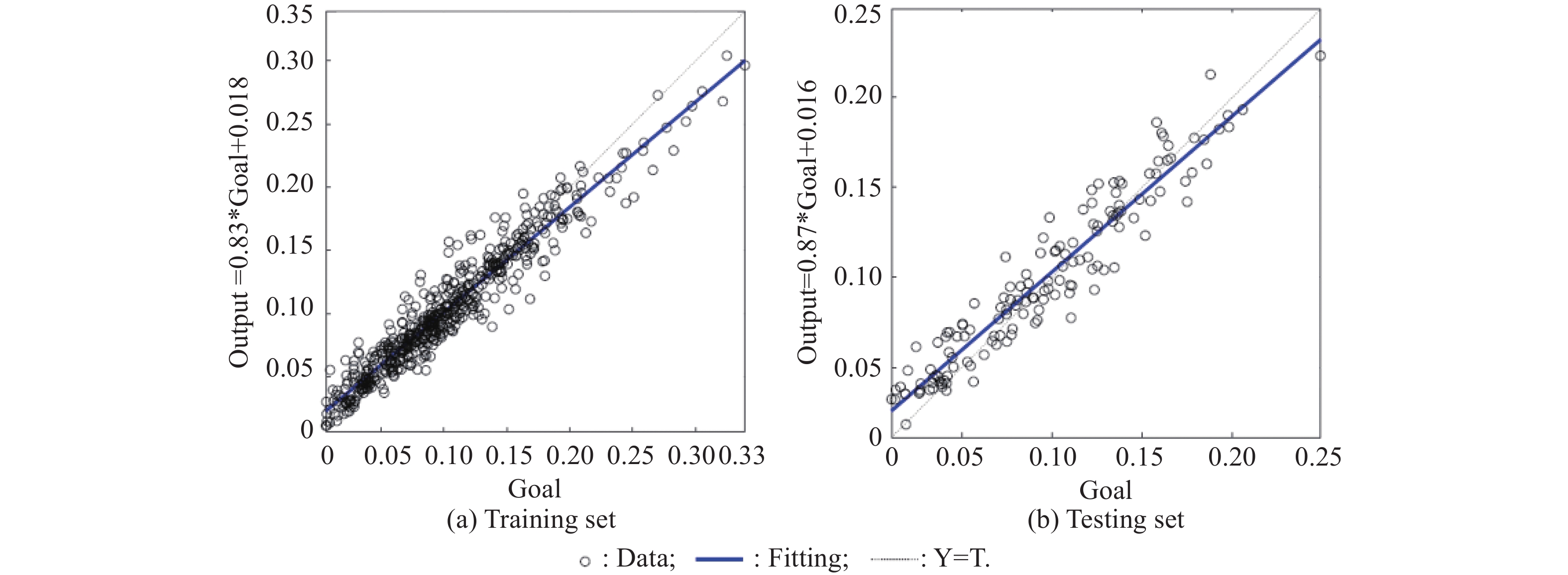
Table 4
Errors for regression fitting of rocket prelaunch rolling using RF-AdaBoost"
| Data set | R2/% | R | RMSE | MSE | MAE | RPD/% |
| Training set | ||||||
| Testing set |
Fig 14
Predicting rocket rolling response by the surrogate model"
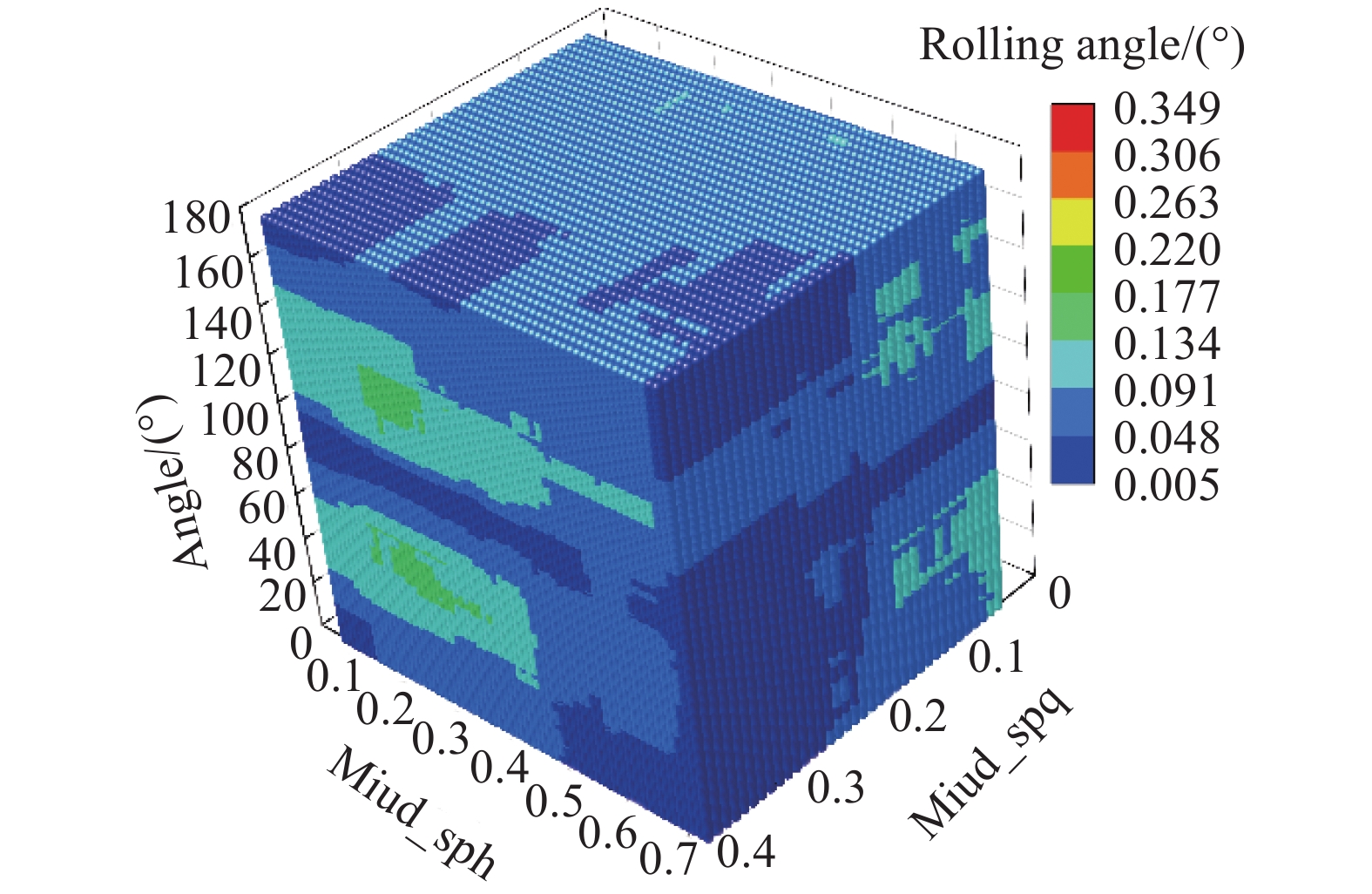
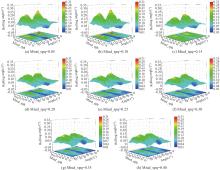
Fig 15
Rolling response surfaces of the rocket during prelaunch for different miud_spq"

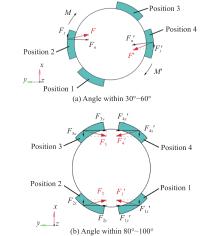
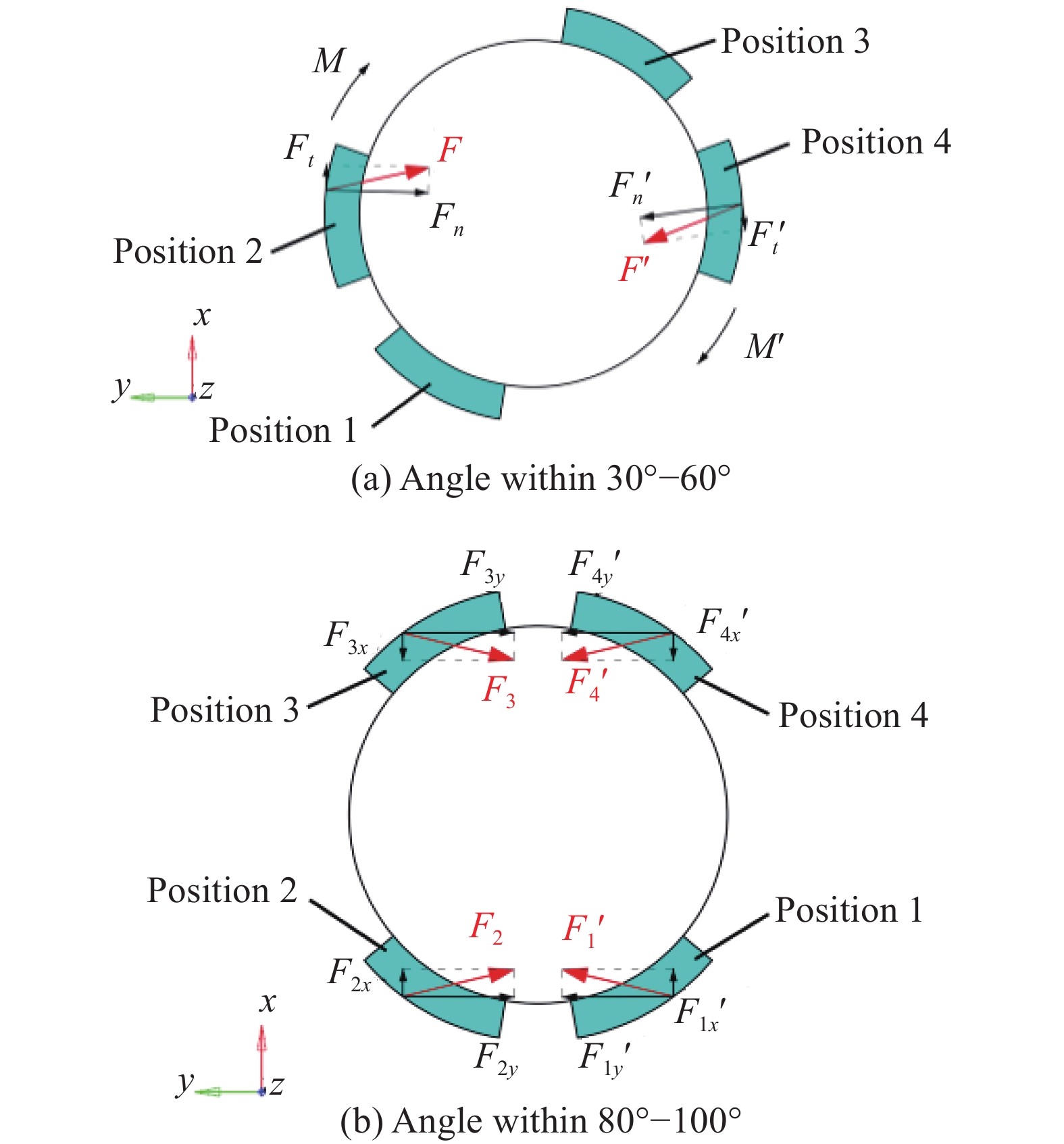
Fig 16
Loads on adapters at two different angles"
| 1 | ILCEY S D. Spacecraft launching technique and systems. Proc. of the International Conference on Electrical, Electronics, and Optimization Techniques, 2016: 4514–4517. |
| 2 |
SONG Z Y, XIE Z F, QIU L M, et al Prospects of sea launches for Chinese cryogenic liquid-fueled medium-lift launch vehicles. Chinese Journal of Aeronautics, 2021, 34 (1): 424- 437.
doi: 10.1016/j.cja.2020.06.018 |
| 3 | XIAO N, XIAO L T, ZHANG F L, et al. An architecture of cross-domain support system for multiple space command and control platforms. Proc. of the IEEE Aerospace Conference, 2021. DOI 10.1109/AERO50100.2021.9438270. |
| 4 | CARNEAL L C R, CHANG R. Sea-launched TacSats for responsive space (STaRS). Proc. of the 7th Responsive Space Conference, 2009: AIAA-RS7-2009-1007. |
| 5 | TUTUREA D, RAJABI F. Ocean launch facility concept design. Proc. of the Advanced Marine Vehicles Conference, 1989: 536−547. |
| 6 | ZHONG Z, JIANG Y, LI Y Y, et al. Dynamic simulation analysis of shipborne missile launching under high-wave-level environment. Proc. of the International Conference on Advanced Materials Design and Mechanics, 2012: 380–385. |
| 7 |
ZENG W, JIANG Y Launching dynamics simulation of ship-board rocket gun. Advanced Materials Research, 2012, 625 (12): 140- 145.
doi: 10.4028/www.scientific.net/amr.625.140 |
| 8 |
KONYUKHOV S N Applied mechanics problems accompanying spacecraft launches from a floating platform and their resolution. International Applied Mechanics, 2004, 40 (2): 115- 139.
doi: 10.1023/b:inam.0000028591.66544.e4 |
| 9 | WANG D, XIAO W H, SHAO J S, et al. Rolling mechanism of launch vehicle during the prelaunch phase in sea launch. Aerospace, 2024, 11(5): 399. |
| 10 |
LEE J J Legal analysis of sea launch license: national security and environmental concerns. Space Policy, 2008, 24 (2): 104- 112.
doi: 10.1016/j.spacepol.2008.02.002 |
| 11 |
FINGER G, MOORE S, GULLIVER B Implementing operationally responsive launch sites. Proc. of the SpaceOps 2010 Conference, 2010.
doi: 10.2514/6.2010-2236 |
| 12 | DONG Y P, QU M H, SU C Q, et al. Dynamic simulation of shipborne vertical launching system under high wave level. Proc. of the International Conference on Advanced Manufacturing, Computation and Optimization, 2019: 422−427. |
| 13 | LIU X B, WANG Y Y, LIU X H. Review of marine satellite launch platform and related study at JUST. Proc. of the International Conference on Marine Equipment & Technology and Sustainable Development, 2023: 579–590. |
| 14 | XU W J, XU G, NIU G C, et al. The study of the motion of the satellite launching platform with different shape of pontoons. Proc. of the International Conference on Marine Equipment & Technology and Sustainable Development, 2023: 303–315. |
| 15 |
PANG F Z, QIN Y X, TANG Y, et al Experimental study on impact response of seaborne rocket launch platform. Ocean Engineering, 2023, 280 (14): 114623.
doi: 10.1016/j.oceaneng.2023.114623 |
| 16 |
WANG D, SHAO J S, CHEN M, et al Sea launch adapter response in rough sea conditions considering strain rate effects. Journal of Physics: Conference Series, 2023, 2508 (1): 012027.
doi: 10.1088/1742-6596/2508/1/012027 |
| 17 |
SU Y F, LU X X, LE G G, et al Numerical simulations of seawater spraying on launch platform during CZ-8X offshore launching. Advances in Space Research, 2023, 72 (9): 3631- 3644.
doi: 10.1016/j.asr.2023.07.021 |
| 18 | MU R J, ZHANG T F, LI S P. A rapid self-alignment strategy for a launch vehicle on an offshore launching platform. Sensors-Basel, 2022, 23(1): 339: 1−21. |
| 19 |
XIONG Z X, ZHU C Y, YANG Y, et al XFEM-based study of fatigue crack propagation in rocket deflector troughs under coupled high-temperature and impact conditions. Journal of Marine Science and Engineering, 2024, 12 (2): 207.
doi: 10.3390/jmse12020207 |
| 20 |
GONG Q T, LIU Z P, HU X, et al Robust anti-disturbance fault-tolerant control of ship-board platforms with multiplicative actuator faults and unknown disturbances. Ocean Engineering, 2023, 286, 115552.
doi: 10.1016/j.oceaneng.2023.115552 |
| 21 |
TIN K H The random subspace method for constructing decision forests. IEEE Trans. on Pattern Analysis and Machine Intelligence, 1998, 20 (8): 832- 844.
doi: 10.1109/34.709601 |
| 22 |
ELSHEIKH A H Applications of machine learning in friction stir welding: prediction of joint properties, real-time control and tool failure diagnosis. Engineering Applications of Artificial Intelligence, 2023, 121 (5): 105961.
doi: 10.1016/j.engappai.2023.105961 |
| 23 |
HU J C, SZYMCZAK S A review on longitudinal data analysis with random forest. Briefings in Bioinformatics, 2023, 24 (2): bbad002.
doi: 10.1093/bib/bbad002 |
| 24 |
ADNAN R M, SADEGHIFAR T, ALIZAMIR M, et al Short-term probabilistic prediction of significant wave height using bayesian model averaging: case study of Chabahar Port, Iran. Ocean Engineering, 2023, 272 (1): 113887.
doi: 10.1016/j.oceaneng.2023.113887 |
| 25 | WANG Y H, CHEN W, SONG J, et al. Open set radar HRRP recognition based on random forest and extreme value theory. Proc. of the International Conference on Radar, 2018: 27−31. |
| 26 | FREUND Y, SHAPIRE R E. Experiments with a new boosting algorithm. Proc. of the International Conference on Machine Learning, 1996: 6–15. |
| 27 | WU C M, WANG X D, ZHENG C Y. Classifying HRRP by AdaBoost SVM. Proc. of the 9th International Conference on Signal Processing, 2008: 1582–1585. |
| 28 |
ZHANG F, WANG Y C, NI J, et al SAR target small sample recognition based on CNN cascaded features and AdaBoost rotation forest. IEEE Geoscience and Remote Sensing Letters, 2020, 17 (6): 1008- 1012.
doi: 10.1109/LGRS.2019.2939156 |
| 29 |
AMIN M N, IFTIKHAR B, KHAN K, et al Prediction model for rice husk ash concrete using AI approach: boosting and bagging algorithms. Structures, 2023, 50 (4): 745- 757.
doi: 10.1016/j.istruc.2023.02.080 |
| 30 |
EKANAYAKE I U, MEDDAGE D P P, RATHNAYAKE U A novel approach to explain the black-box nature of machine learning in compressive strength predictions of concrete using Shapley additive explanations (SHAP). Case Studies in Construction Materials, 2022, 16 (6): e01059.
doi: 10.1016/j.cscm.2022.e01059 |
| 31 |
AHMAD A, AHMAD W, ASLAM F, et al Compressive strength prediction of fly ash-based geopolymer concrete via advanced machine learning techniques. Case Studies in Construction Materials, 2022, 16 (5): e00840.
doi: 10.1016/j.cscm.2021.e00840 |
| 32 | WEI M M, LU H X, YANG H H Research on boold species identification algorithm based on RF-AdaBoost model. Chemical Journal of Chinese Universities, 2020, 41 (1): 94- 101. |
| 33 |
LAN C F, SONG B W, ZHANG L, et al State prediction of hydro-turbine based on WOA-RF-Adaboost. Energy Reports, 2022, 8 (11): 13129- 13137.
doi: 10.1016/j.egyr.2022.09.142 |
| 34 |
WANG X R, ZHANG C, QIANG Z P, et al A new forest growing stock volume estimation model based on AdaBoost and random forest model. Forests, 2024, 15 (2): 260.
doi: 10.3390/f15020260 |
| 35 | ZHANG W, LIU J J, LIU W, et al Smart dragon 3 launch vehicle system. Aerospace China, 2022, 23 (4): 3- 10. |
| 36 | ZHANG E H LM-11 performs a sea-launch mission successfully. Aerospace China, 2020, 21 (3): 57. |
| 37 | SHANG H, LIU B, MENG X, et al LM-11SL: a sea-launched carrier rocket for small satellites and its launch service. Aerospace China, 2018, 19 (2): 22- 29. |
| 38 | APOSTOL A, CONSTANTINESCU D M Influence of speed of testing and temperature on the behaviour of polyurethane foams. The Romanian Journal of Technical Sciences. Applied Mechanics, 2012, 1 (57): 27- 61. |
| 39 |
APOSTOL D A, CONSTANTINESCU D M Temperature and speed of testing influence on the densification and recovery of polyurethane foams. Mechanics of Time-Dependent Materials, 2013, 17 (1): 111- 136.
doi: 10.1007/s11043-012-9179-8 |
| 40 | CONSTANTINESCU D M, APOSTOL D A Performance and efficiency of polyurethane foams under the influence of temperature and strain rate variation. Mechanics of Time-Dependent Materials, 2020, 29, 3016- 3029. |
| No related articles found! |
| Viewed | ||||||
|
Full text |
|
|||||
|
Abstract |
|
|||||
